Pre-departure Orientation (PDO) + NSLI-Y Goals

Pre-departure Orientation (PDO) + NSLI-Y Goals


안녕하세요 여러분! 저는 드디어 한국에 도착했어요. 오늘은 격리 11일 이에요. 힘든데 끝은 거의 다 왔어요! ^^

Hello everybody! I’ve finally arrived in Korea, and I am in day 11 of my 2-week isolated quarantine. It’s tough, but the end is almost here! 😀

With the start of our in-person NSLI-Y experience just around the corner, I wanted to recap my journey traveling to Korea and the brief but wonderful memories made at Pre-departure Orientation (PDO) in San Francisco. I’ll also share the main goals I plan to achieve during NSLI-Y.

Departure to Pre-Departure Orientation: EUG ➜ SFO

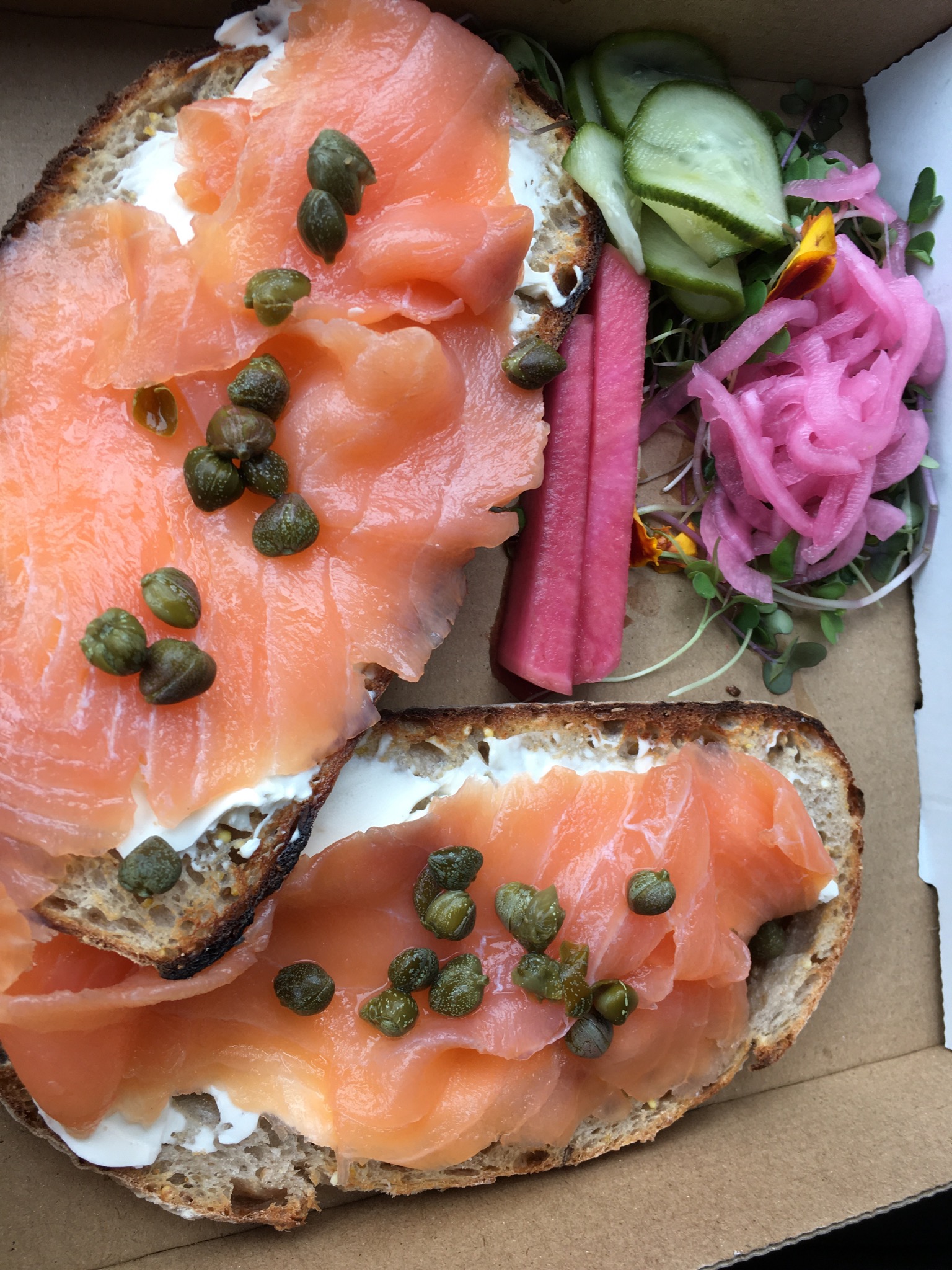
My 1.5 hour flight from Eugene, OR, to San Francisco was scheduled for the morning, but a serendipitous 3-hour delay allowed me to enjoy a salmon & lox toast breakfast from a local restaurant called Lovely! After checking my bags (NSLI-Y covered 1 checked bag for the domestic flight), bidding my parents farewell, and going through security, I enjoyed a smooth flight spent marveling at the scenery from my window seat. The only hiccup was dropping my water bottle on some poor fellow while putting my backpack in the stowaway. 😅 Here are my takeaways from the domestic flight:

  • At least for United flights, if you sit in the frontmost row of the plane and don’t have a seat in front of you, you have to put your backpack (or other item you plan to keep by your feet) in the stowaway like a carryon.
  • Be careful putting items in the overhead! Make sure all unsealed pockets, such as the water bottle pockets on the sides of backpacks, are empty so no loose items can slip out.
  • Store your passport, wallet, cell phone, and other most valuable belongings in a small purse/fanny pack/other wearable bag on the front of your body. I’d exclusively worn backpacks prior to this trip, but it was SO much easier accessing all these frequently used valuables from a purse. Purses also make it easier for you to check that your most important items are all there and harder for people to steal those items.

PDO in San Francisco

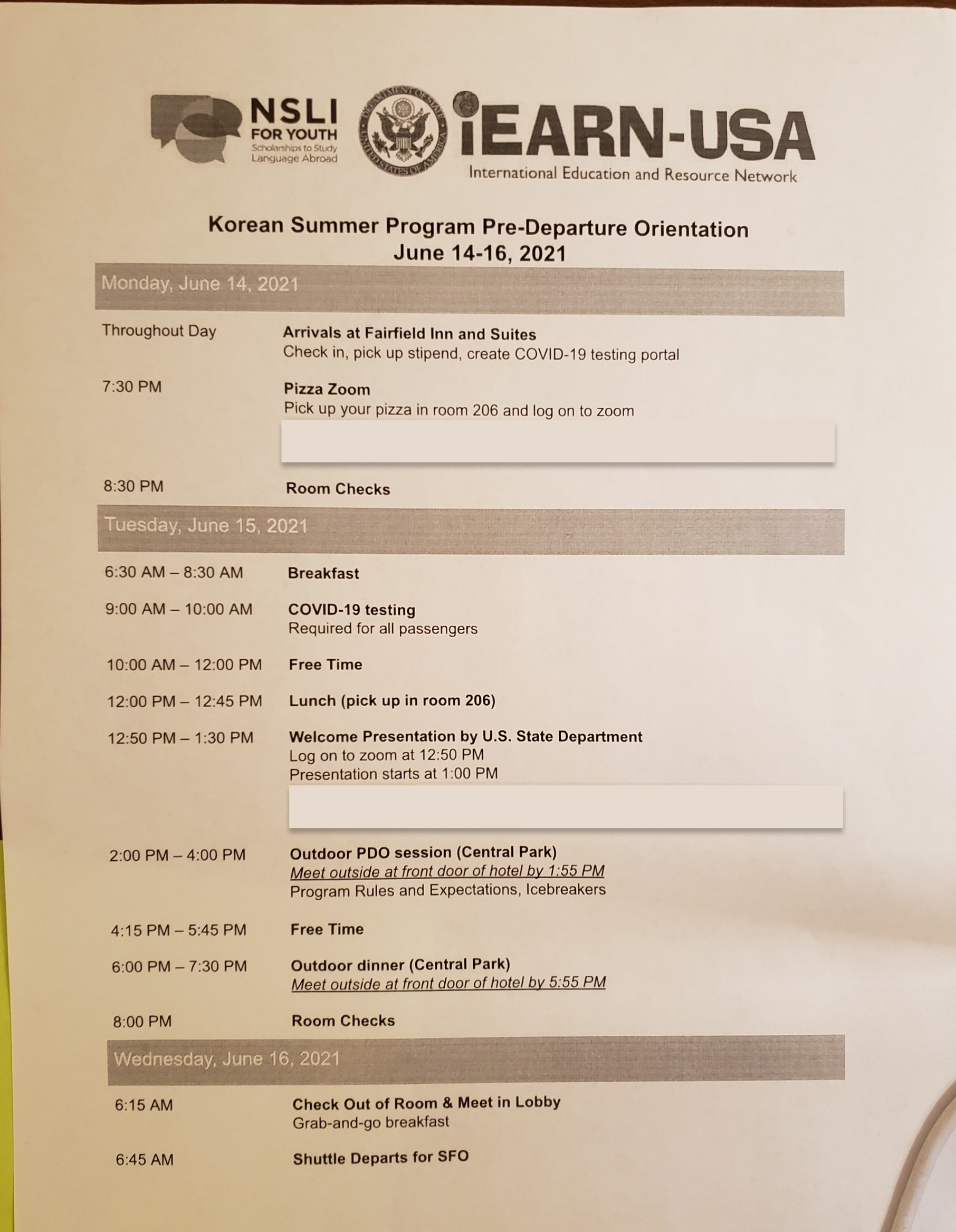
PDO is a short multi-day session where our cohort gets to know each other, learn basic language phrases, and establish goals for the program. Because our cohort had 4 multi-hour virtual PDO sessions prior to our in-person PDO, we came into our COVID-modified in-person PDO having already covered program rules, safety, and behavioral expectations.

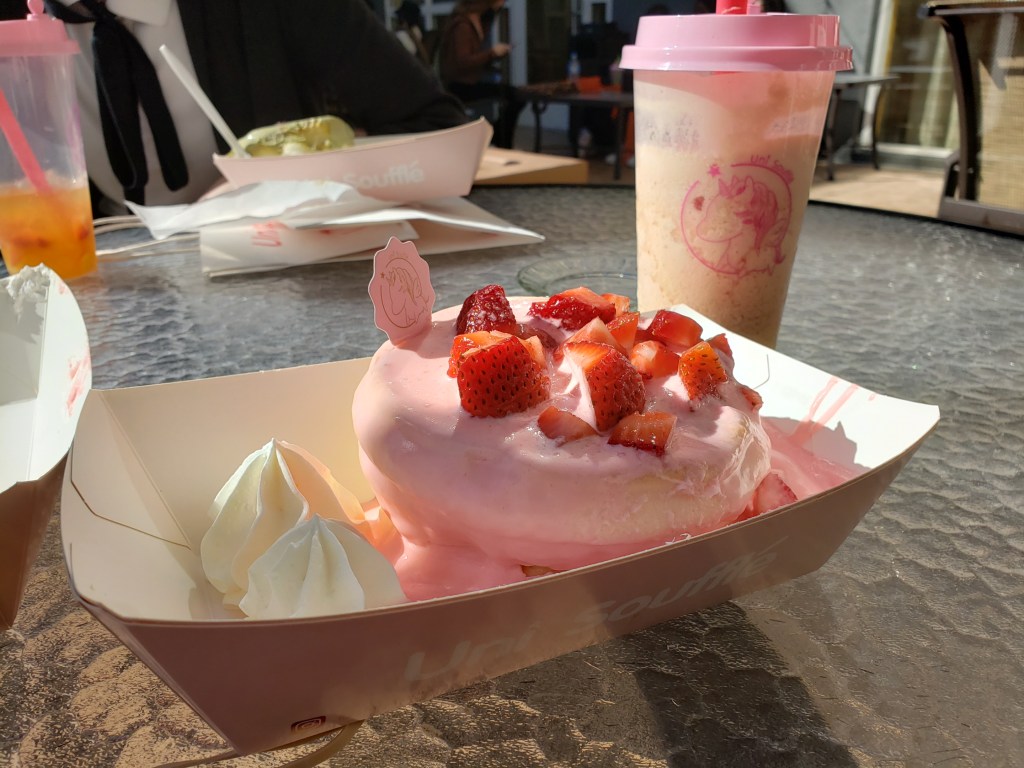
Due to COVID-19, the organized activities we did have occurred either outdoors or via Zoom from our hotel rooms. (A picture of our detailed schedule is above!) This left us with lots of free time to walk around and explore the area independently. The smaller city near San Francisco where we stayed had a lovely central park and community garden, as well as many cute restaurants and boba places like Uni Souffle!
In terms of the travel and transportation experience, the Better World staff greeted me upon my arrival at San Francisco at the baggage claim. (Better World is the implementing organization in Korea that organizes our classes and cultural activities in Korea, while iEARN-USA is the implementing organization in the U.S. that organizes PDO, our flights, and other domestic activities.)

We rode in a shuttle bus for NSLI-Y students to the hotel from SFO, and again in a shuttle from the hotel to SFO when we departed to Korea. Talking with my awesome NSLI-Y seatmates and taking intermittent stretch breaks (that definitely did not become indoor gatherings 😉) helped make the 12-hour flight quite fun and not at all painful.
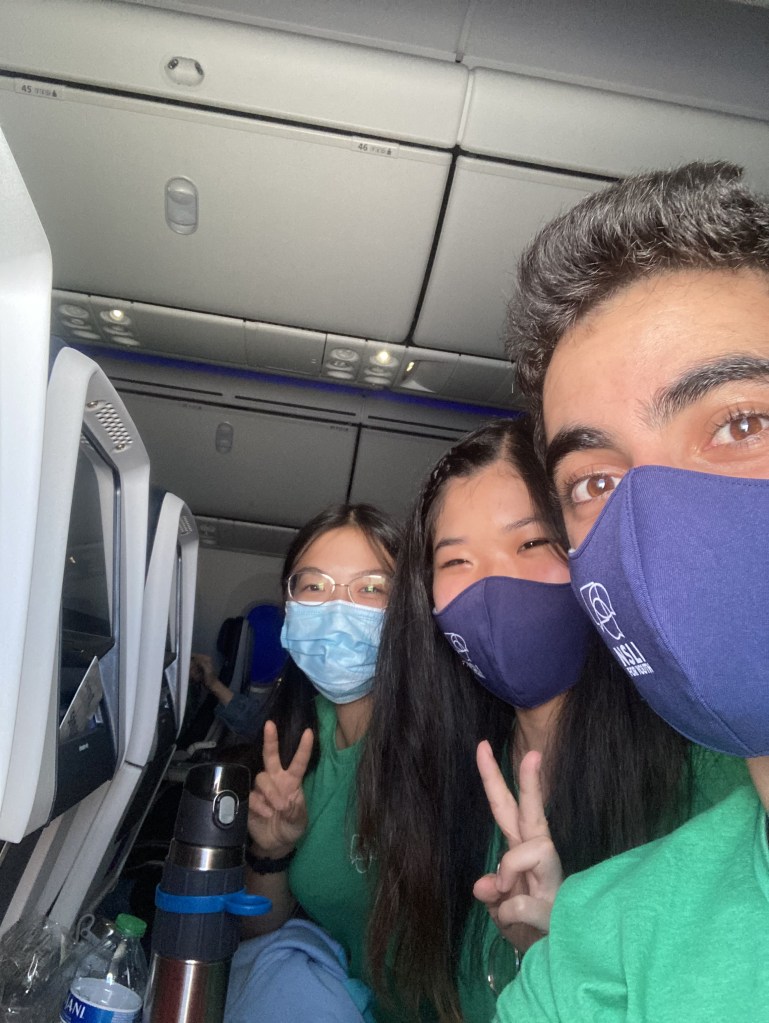
Here are my takeaways from the international flight:

  • If you can, sit next to interesting people whom you can talk to for hours! (:
  • Checking in 2 bags is free for United international flights, and doing so is a good idea because it reduces the number of items you need to worry about on the airplane.
  • Especially if you have difficulty stomaching airplane food, consider eating something palatable from the airplane prior to departure. My tonkatsu from the airport saved me 🍲

Getting to travel across the world and meet 35 incredible human beings from across the country in-person was pretty euphoric. After a year and a half of the pandemic’s social restrictions, I couldn’t have been more grateful to meet so many new friends and visit so many places in such a short period of time — all without the fear of getting COVID since we all tested negative and were almost all fully vaccinated!

NSLI-Y Goals

Lastly, because a major component of PDO is about setting expectations for our NSLI-Y experience, I wanted to share the goals I plan to work towards throughout this summer!

1. Korean Language:

  • During NSLI-Y, have at least 1 no-English day per week
  • Reach intermediate level (ideally intermediate-mid or above) on post-program OPI
  • Be able to hold an substantive conversation for at least 20 minutes
  • Begin being able to discuss abstract topics and opinions
  • Write a blog post entirely in Korean

2. Host Family:

  • Proactively reach out to make meaningful connections with all members of host family
  • Learn to cook at least 1 Korean dish with my family
  • Connect my home family with my host family at least once via call and use translation skills to facilitate a conversation
  • Become best friends with my host 남동생 and improve my skills with kids
  • Perform flute at least once for my host family
  • Discover what things connect us across linguistic and cultural barriers

3. Culture:

  • Learn strategies for cultivating meaningful cultural exchange, friendship, and understanding in my community (especially through The World in Us’s programs happening this summer and beyond!)
  • Learn to cook at least 3 Korean meals
  • See firsthand whether all the fascinating facets and dichotomies I’ve observed about Korea from an outsider perspective through media are actually true IRL
  • Learn the policies behind Korea’s rapid industrialization & behind what makes modern Seoul so pretty/perfect/shiny to outsiders, as well as the reality of struggles + social pressures everyday Koreans face
  • Learn how globalization affects and is perceived by Koreans
  • Learn how America is perceived by Koreans and how that perception can be improved
  • Learn how Korea’s presidential primaries + campaign processes work and are perceived by everyday Koreans, as well as how these processes compare to those in America
  • Understand the broad points of Korea’s political structure and history (especially from the 1900s onward)
  • Be able to facilitate meaningful conversations and lessons about Korean culture + my broader study abroad experience with peers/mentors/kids at home

4. Bucket List (things to do before leaving)

  • Eat LOTS of Korean food
  • Visit cute cafes and become regulars at one where we can be buddies with the baristas💖
  • Read (and comprehend) children’s books at the library
  • Visit the DMZ, Coex Library, 경복궁, Lotte World, Han River, & Namsan Tower
  • Go shopping/eating in Myeongdong & Hongdae
  • Go hiking and visit parks
  • Experience the city + take walks + gain creative inspiration for writing

With that, those are my goals for NSLI-Y and my experience with PDO and travel! 다음에 봐요!


오늘의 노래 (Song of the Day)

(오늘은 너무 피곤하고 바빠서 한국어 부품 없어요. ㅜㅜ 근데 매일 한국어 수업에서 열심히공부하고 연습하고 있어요!)

shoutout to co-author Javon 😉
NSLI-Y Korean: The Journey Begins!

NSLI-Y Korean: The Journey Begins!

On April 6, 12:50 pm, I got the email — the email that had me stalking every NSLI-Y Discord, Facebook, and College Confidential channel at 2 am and relentlessly refreshing my email when I should’ve been paying attention to my oh-so-riveting Zoom classes. Yes, that was the moment when the NSLI-Y gods notified me of my acceptance to their in-person Korean summer program!

Don’t know much about NSLI-Y? Scroll to the bottom of the post for a brief primer on what it is, or visit nsliforyouth.org!

After a bout of collective familial screaming and mild confusion from my teacher as to why I had left my “Join Breakout Room” invitation untouched, I settled down enough to process the email’s contents. After an in-person Pre-Departure Orientation in mid-June in San Francisco, during which I will meet other NSLI-Y finalists and learn about program expectations, I will spend 7 weeks studying Korean in Seoul, South Korea.

Receiving a NSLI-Y scholarship any year would be cause for elation, but my acceptance this year felt especially miraculous. Amidst COVID-19, NSLI-Y was forced to cancel in-person summer programs for all but two countries, South Korea and Taiwan — and the two language programs I’d applied to happened to be Korean (my 1st choice) and Chinese (my 2nd choice). However, finalists for these languages could be placed in either in-person abroad programs or virtual programs.

I would’ve been incredibly thankful for any finalist program placement, of course, but being named an in-person finalist brought me more joy and gratification than I could’ve imagined. It justified the hours I’d spent toiling over my essays, pestering the (very kind and patient) NSLI-Y alumni of LinkedIn for advice, preparing for my interview, and bingeing every NSLI-Y vlog on the face of YouTube.

Moreover, like most human beings, I’d been famished for good news and desperate for a morsel of hope, for something to look forward to after surviving a literally hellish year. Needless to say, NSLI-Y delivered just that. I’m still shocked at how serendipitous I’ve been in everything from me selecting Korean as my first choice to NSLI-Y working their butts off to ensure a safe in-person program would be possible.

I’m endlessly grateful for this opportunity and all the puzzle pieces that had to fall into place for it to even be feasible. NSLI-Y will undoubtedly look different this year — the 14-day quarantine period upon arriving in Korea, for one, will be interesting. Nonetheless, I can’t wait to immerse myself in a beautiful language and culture, forge cross-cultural friendships with youth from around the world, and embark on this amazing journey!


Wait, what even is NSLI-Y?

For those unfamiliar, NSLI-Y stands for National Security Language Initiative for Youth and is a fully-funded study abroad scholarship from the U.S. Department of State. Through NSLI-Y, high schoolers can intensively study Chinese, Hindi, Indonesian, Korean, Persian, Russian, or Turkish (8 less frequently taught but critically needed languages for Americans) for either a summer or academic year. As the website explains, NSLI-Y “provides overseas critical language study opportunities to American youth through merit-based scholarships to spark a lifetime interest in critical foreign languages and cultures.”


한국어 부품 (Korean Part)

In which I flex my delightfully underdeveloped Korean skills. Corrections are more than welcome! I also don’t really know how to spell or space words (or whether commas are used differently/less frequently than in English?), so… please help ㅜㅜ 도와주세요! ㅜㅜ

사월 육일있었어요. 화요일 있었어요, 그래서 학요에 있었어요. 그런데 열두시 오십분에, NSLI-Y가 저한테 이메일을 보냈어요. 저는 NSLI-Y 장학금을 받았어요! 진짜, 너무 행복했어요!

지금도 아직 노무 행복해요. 이월뒤에 저는 한국에 갈 거예요. 와!

오늘의 노래 (Song of the Day)

In which I share a song reflecting my current mood/life developments, because I suffer from the extremely common affliction of thinking my music taste should be universally appreciated and adored

NSLI-Y 때문에, 저는 행복해요. 춤추하고 싶어요! 그리고 이 노래는 “Waltz” 이라고 합니다. Waltz 춤이에요 ㅋㅋㅋㅋ

(Translation: Because of NSLI-Y, I am happy. I want to dance! And this song is called “Waltz.” The Waltz is a dance. lolololol)

Believe it or not, those stylistic (and probably grammatical) disasters of Korean sentences required the entirety of my 0.5 brain cells — so please do send feedback, corrections, study tips/resources, etc. in the comments or directly to me! And stay tuned for my next post about my pre-program language goals and study plan 😀

How to Write a Press Release and Get Coverage for Your Startup

How to Write a Press Release and Get Coverage for Your Startup

What is a press release? When and why do I need one?

For high school founders with a flair for writing and a fire for PR, press releases are a golden ticket to getting free brand publicity. A press release is simply a concise, official announcement about a newsworthy event. It is directed toward targeted members of the media and contains all the core details reporters need to craft a publication-ready story. Unlike media advisories, which are released in advance of events, press releases are created and disseminated immediately after noteworthy events take place. In the context of your life as a high school entrepreneur, you might create a press release for situations like these:

  1. 🚗Your startup rolls out a new product or service
  2. 🎒Your school’s business club launches a district-wide entrepreneurial mentorship program
  3. 📕You publish your own book, podcast, or other form of media

So, why write a press release in the first place? Well, the primary goal of press releases is to attract the attention of journalists and get news coverage of your event. Especially as youth, it’s difficult to establish credibility for your initiatives. (You’ve surely noticed how every 3rd high schooler on LinkedIn these days seems to be a “Founder and CEO”.) News coverage validates your work from a professional outsider’s perspective. Press releases are a 100% free way to reap the benefits of press coverage, which include the following:

  • Grow brand credibility
  • Build name recognition
  • Raise awareness of your products, projects, initiatives, etc.
    • Attract new customers, team members, and partners
    • Drive online traffic and improve SEO ranking
  • Provide proof of your accomplishments

Knowing all these benefits, it’s tempting to just dive right into writing your latest press release! Before that, though, you need to take some preparatory steps to ensure your press release hits the right points, reaches the right people, and ultimately turns into a news story.

How do I prepare to write a press release? What research do I need to do?

Research your recipients

Before you begin writing your press release, research the audience for your press release. Do you want to reach business professionals, other teens, or the community at large? As high schoolers, the vast majority of us will likely be contacting local press outlets, at least in the early stages of our initiatives when our impact is typically more localized. As such, this post will focus on local (district/city/county level) coverage. Regardless of who your target audience is, you should have logic-based answers to the following questions:

  • To which media outlet(s) will you be marketing your story?
    • Ex: Chamber of Commerce magazine to reach local business-owners
  • Is your desired medium print, televised, or radio? 
    • Ex: print (online) because articles are easier to share via social media (which users are especially active on nowadays due to COVID-19)
  • Within those media outlets, which specific journalist(s) will you be reaching out to?
    • Ex: small business reporter because they have the same target audience as you

Most local newspaper websites have “Contact” or “Staff” pages where you can find journalists’ contact information and reporting roles (e.g., Education Reporter, Politics Reporter, etc.). Be sure to check other stories these journalists have published to ensure your story fits soundly into their niche.

If you plan to contact multiple journalists from different publications, consider keeping track of reporter names, contact information, and reporting areas in a spreadsheet. You could even share this spreadsheet with your team and have team members contact their local press independently for wider geographic coverage.

Build Relationships in Advance

Step3 Build Rapport With Journalists1
Example from Neil Patel of a successful initial outreach email. Short, sweet, & to the point.

Remember, journalists are busy people. Especially in more populated cities, even local journalists could be inundated with hundreds of emails and press releases every day. Personal connections and established relationships will do you wonders here. As you start writing your press release, reach out in advance to the journalists you intend to contact. Introduce yourself and why you’re relevant to them (e.g., I’m a student at [local high school] who recently launched a startup with 2k in revenue and would love to share my story with our community).

You could then ask them about what kinds of stories they want to cover, what issues they see as important in the local community, or what their short-term publishing schedule looks like (so you know when there might be an opening for your press release to be published). Like all good networking, your focus here shouldn’t be on what the journalist can do for you, but what you can do for each other.

When sending these cold reach-out emails, capitalize on existing connections you have to the journalist to establish rapport from the get-go. You might mention a particular story of theirs you enjoyed or a connection you have to an individual they interviewed. This is great news (pun intended) for those of you living in smaller towns. Chances are you know at least one person who has ties to the local press, whether through a parent who works in city government or a neighbor who frequently organizes community events. Take advantage of these relations, and see if someone you know would be willing to put in a good word for you or even arrange a meetup for you with the journalist. This helps build your relationship more organically.

Don’t be afraid to reach out to your school administrators or teachers and see if they can offer any guidance, resources, or connections that will help you understand the media workings of your school district and local community. Remember, your school officials’ job is to support students as much as possible, and chances are they’ll be happy to share startups, events, and other impressive projects founded by their own students. (Not to mention, schools receive positive PR for their own institutions by producing self-motivated, entrepreneurially-minded students.)

How do I write a press release?

Press release - Wikipedia

Press releases are stories, not advertisements. They are told in an objective 3rd-person tone and read like a standard news article, complete with quotes, statistics, and sources. Good press releases cover the “who, what, when, where, how, and (most importantly) why” of the event as concisely as possible and should be no longer than a page.

Press Releases — LifeWorks

Contact Information

It’s typical to put the name, email, and phone number of the individual who wrote the press release at the header of the page. “For Immediate Release: [Date of release]” is also commonplace here; some also add the company logo at the top.

Headline

Your headline needs to be catchy, clickable, and share-worthy. The journalist may be doing you a favor by providing coverage, but you should also think of how you can do the journalist a favor by driving readers and revenue to their published story.

Target your headline so it’ll not only fit your needs but also suit the journalist’s beat. Ultimately, your goal is to drive traffic and build credibility for your organization; to do that, prospective readers need to be captivated by your headline enough to click on your story in the first place. 

Take note that local media loves a feel-good story. As teens, we have the added advantage of youth: people love stories about kids doing inspiring things and helping their community. Does your event/product benefit your community in some way, particularly community members who are most in need (e.g., unemployed, low-income, elderly)? Does it relate or provide a solution to a current issue (e.g., COVID-19, social isolation, loneliness)?

Depending on the angle of your story, emphasizing your positive contributions to your community as well as your age can add an additional wow factor. Headlines like “16-year-old founds startup aiding unemployed” are be more compelling than “New Bay Area startup successfully launches.”

1st Paragraph

Begin with a location stamp (as in “Albany, OR”). Following this will be your 1st sentence, or lede, which summarizes the who, what, why, where, and how of your update in 25 words or less. Some press releases include a brief 1-line summary of the article right beneath the headline and above the 1st paragraph too, as seen in the lovely “Catbrella” example below. Like much of press release formatting, this line’s inclusion is largely up to personal preference.

Sample press release format by HubSpot, with orange markers showing five rules to follow

2nd, 3rd, and (Optional) 4th Paragraphs

The order of these final body paragraphs is flexible. Collectively, though, these paragraphs should provide applicable supplementary details that strengthen the narrative behind your update and answer additional questions readers/journalists may have. Keep in mind that no new key information (e.g., any of the 5 Ws) should appear after the 1st paragraph.

Quotes (from the founders, customers, or anyone else associated with the event) are key in developing the human side of the story. Statistics further create credibility for your brand. A call to action (e.g., link to pre-register for your next product) may be included in the concluding paragraph depending on the nature of your release.

Boilerplate Paragraph

Your boilerplate paragraph sits at the bottom of the press release as a separate blurb introducing your company’s work. However, some press releases combine the boilerplate company description with the concluding paragraph. Again, it’s all personal preference — just be consistent with what you choose. One more commonplace rule, however, is including 3 hashtags (###) to conclude your releases. This is a leftover tradition from the days of paper press releases, but it is still common practice for professional press releases.

How do I distribute my press release and turn it into media coverage?

Sending the Release

After editing and proofreading your press release, the next step is distribution. If the contact information is provided, you could call the journalist with your self-introduction and pitch ready (after ensuring the journalist isn’t busy or working towards an imminent deadline at the time of your call).

However, the most common and accessible way to distribute your press release is by emailing your target journalist. Given our limited resources and funding as high schoolers, paid services like PR Newswire are rarely worth it and would probably yield fewer results than well-prepared pitches to specially targeted journalists. The final press release email is quite simple:

  1. Paste your headline into the subject of the email.
  2. Paste the body of your press release into the body of the email.

If desired, attach a PDF or Word document of your press release to the email. Opinions differ on this, as large attachments bog down emails and are prone to spam filters. So, if you want to stay on the safe side, avoid attaching files to your email. If there are special images and formatting you want to include, consider linking a permalink to the PDF or the applicable press release page from your website/social media.

Subscribe to The Lemonade Stand‘s free monthly newsletter to read the rest of this article!

You’ll learn the best time to send your email, as well as how and when to follow up. You’ll get links to all the other resources & articles about press releases you could need, plus access to dozens of other articles tailor-made for high school entrepreneurs!

Full post linked here!
How to Power Up Your Productivity Using the Pomodoro Technique

How to Power Up Your Productivity Using the Pomodoro Technique

Jono Hey – sketchplanations.com

It’s the umpteenth day of quarantine, and you are determined to use your seemingly endless free time today to accomplish great things. You are motivated and powerful and completely capable of crushing your to-do list!

So you sit down in front of your computer, ready to focus and get things done.

You start out strong. You push out content and power through tasks. However, as the hours wear by, you feel your attention slipping. Maybe a quick peek at Instagram will be enough to recharge— 

And before you know it, what was intended to be a 5 minute break becomes half an hour, or longer. Your flow is broken, and the procrastination begins.

This productivity dilemma is one that plagues us all, especially during quarantine, when all sense of time and schedules seems to have disappeared. The thing is, willpower alone will not get you through difficult task after difficult task — working nonstop is simply not sustainable and will inevitably lead to distraction. Whether you struggle with procrastinating before starting tasks or stagnating after working for some time, what you need is a technique: the Pomodoro technique.

With the Pomodoro technique, you work for 25 focused minutes followed by a 5-minute break. For every 4 sessions you complete (i.e., every 2 hours), take a 30-minute break before starting the cycle over again.

By forcing you to focus deeply for short periods of time, the Pomodoro technique can magnify your productivity massively. After all, who can’t work for just 25 minutes at a time? When work is broken down into bite-sized chunks, daunting projects become accomplishable individual tasks. Furthermore, you reduce busywork and multitasking (which, despite how they may feel, are actually detrimental to productivity) by working on only one task at a time.

Long, unregulated periods of social media-scrolling are relegated into compact, 5-minute breaks of relaxation. Scheduling and taking regular, short breaks keeps your energy and motivation steady; plus, you become more aware and strategic about how you’re spending your free time. Besides the reduced stress, mitigation of interruptions, and greater sense of control that come with good time management, there are numerous benefits to using the Pomodoro technique in particular, including the following: 

  • Customizability: You can change break and work intervals however you see fit! I often alternate between 50 minute work/10 minute breaks and 25 minute work/5 minute breaks.
  • Versatility: The Pomodoro technique can be applied to a variety of activities, ranging from group projects to independent essay writing.
  • Simplicity: The Pomodoro technique is easy to use and remember: 25 minutes of work, 5 minutes of rest!
  • Research-backed: Although you’d be hard-pressed to find empirical studies on the Pomodoro technique’s effectiveness, there is research support for the Pomodoro technique’s periodic workflow structure. Ultimately, the single best way to test whether the Pomodoro works for you is to try it out yourself!

Now that you’re excited about boosting your productivity through the Pomodoro technique, here are some of my favorite Pomodoro resources. Feel free to experiment — looking up “Pomodoro timer” in the App Store or Chrome extension store will pull up hundreds of results (though don’t let Pomodoro experimentation become a reason for procrastination!).

Websites

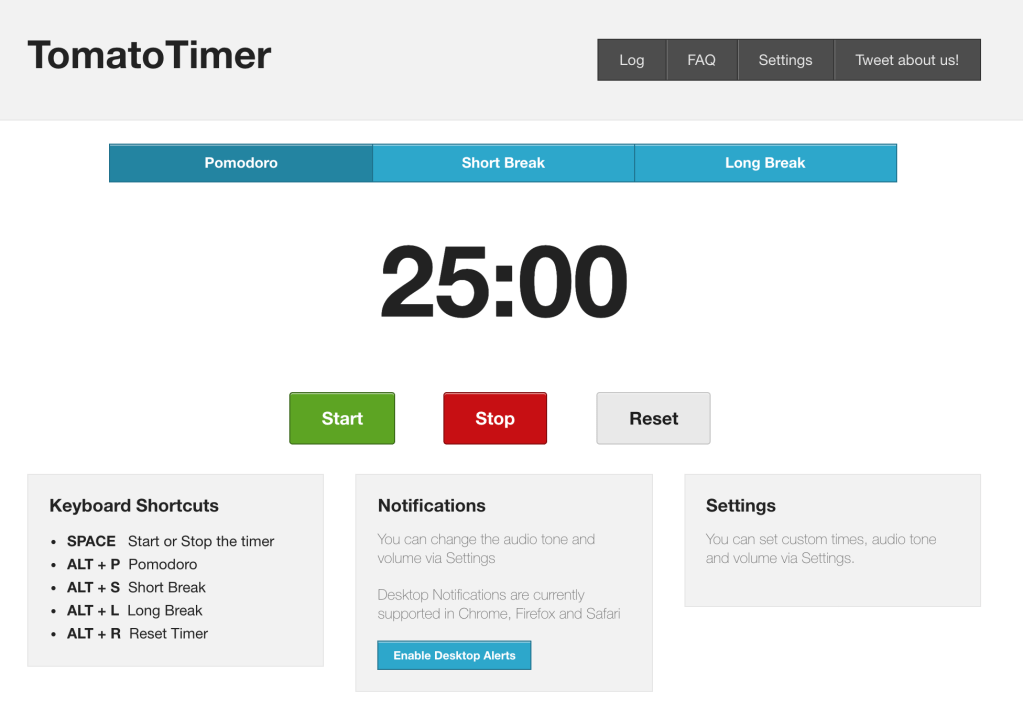
TomatoTimer: a straightforward, intuitive Pomodoro timer website accessible from any platform. Can customize time intervals.

Chrome Extensions

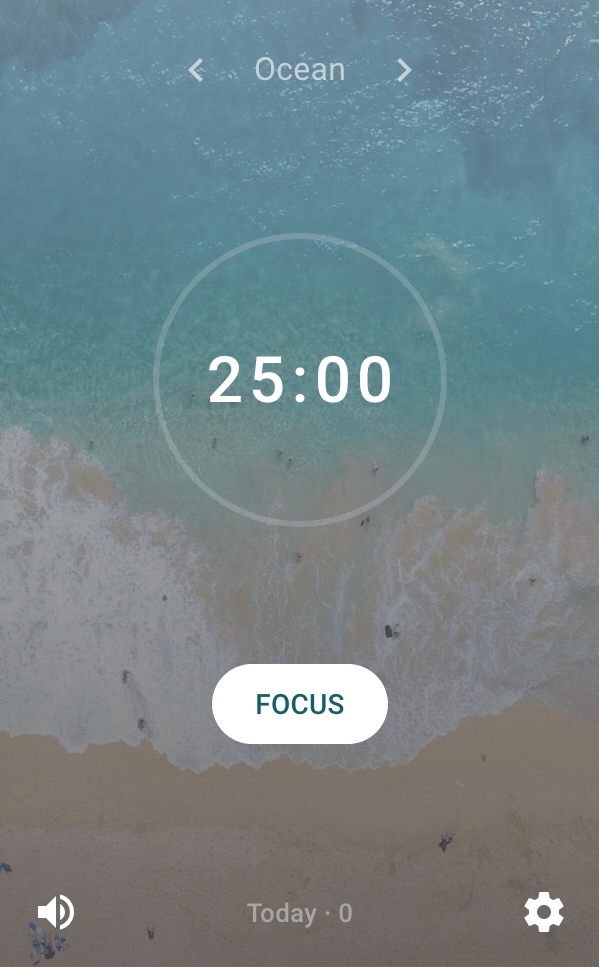
Tide: sleek Pomodoro timer with customizable time intervals. Can choose from a variety of ambient background music selections that play during work and automatically stop during breaks to differentiate between work and relaxation. Can adjust whether sessions auto-start and can choose to activate immersive mode, which blocks all websites during focus sessions except work-related websites you’ve whitelisted. Also has an app, though app is more focused on relaxation/meditation.

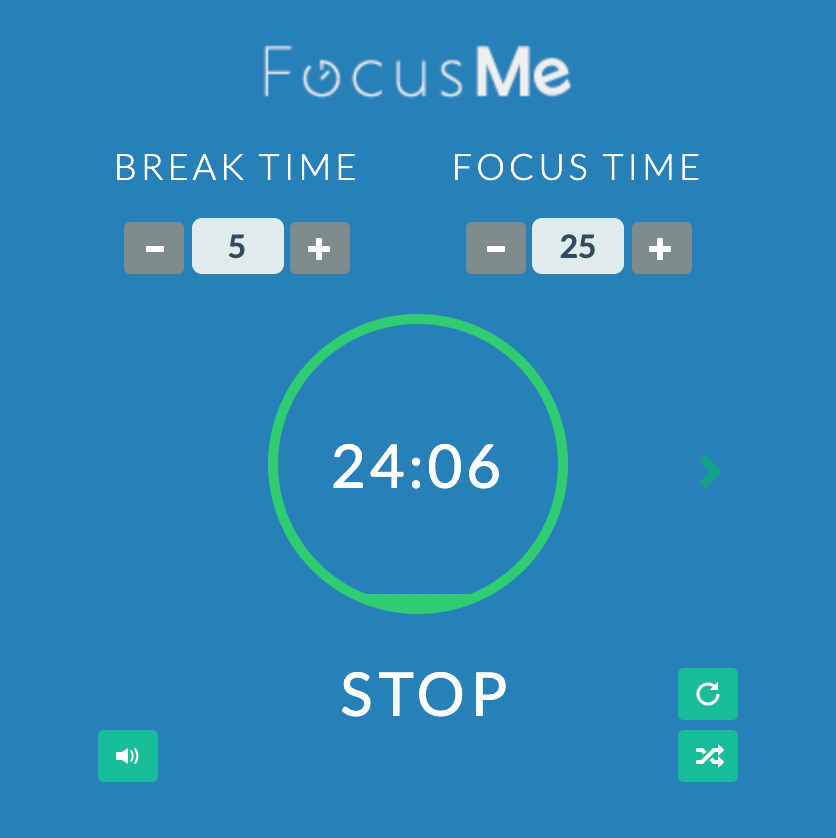
FocusMe: clean, simple Pomodoro timer with customizable interval lengths. Very useful function of blocking your blacklisted websites during work sessions, although this function can be turned and off as desired.

Apps

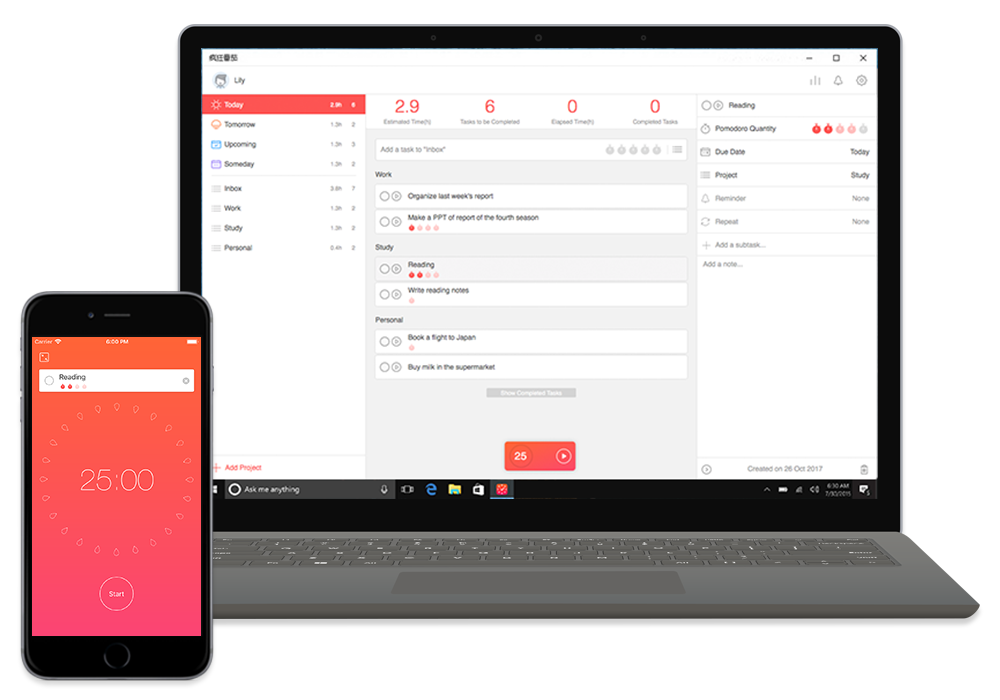
Focus To-Do: combines Pomodoro timer (customizable time intervals) with a comprehensive to-do list. Can estimate Pomodoro sessions needed for each task, assign tasks to different projects and days, and check them off when you’re done. Great if you want a multi-functional Pomodoro with plenty of customizable bells & whistles! Also available across most other platforms (Chrome Extension, Mac, etc.).

Pomodoro Timer Lite: a bare-bones Pomodoro timer with customizable time intervals. Perfect for those who want an easy, no-fuss platform they can use to get to work right away.

Hold: doesn’t have a Pomodoro timer function but helps keep you off your phone during Pomodoro work sessions! Points, streaks, leaderboards, and free rewards for points (though rewards aren’t available in the U.S., sadly)  motivate you to stay on the Hold app and away from distractions.

Google Play: Hold – make it happen

Apple Store: ‎Hold – make it happen on the App Store

With that, it seems my Pomodoro session is done and my work here is finished. Give the Pomodoro technique a try —  I hope it’ll be as helpful for you as it has been for me! 

This post was written in collaboration with Undistrackted, an all-in-one organization and productivity website that aims to help students around the world maintain focus. Check out their website (launching soon) and Instagram (@undistrackted) to see this post and others like it that help students optimize their productivity!

Free Online Learning During the Pandemic

Free Online Learning During the Pandemic

Several platforms that would ordinarily cost money are offering their services for free during the pandemic so students of all ages can continue furthering their education! Here I’ve compiled a few of those resources, as well as other great resources that are always free. (*denotes always free)


Language Learning

Rosetta Stone: comprehensive immersion lessons free for 3 months

Mango Languages: walks you through and breaks down native conversations; all lessons free through June 30 

The Fable Cottage: bilingual stories available in 6 languages freely accessible for limited time

*Duolingo: bite-sized, interactive lessons available in dozens of languages

*Drops: fun, 5-minute drag-and-drop games for learning vocabulary

*Beelinguapp: stories, news, music, audio, and more in 13 languages


Online Courses

Sophia: Free, self-paced online college courses (eligible for credit) until July 31st

Varsity Tutors: many live, interactive lessons and day camps now being offered for free

*Black Lives Matter Lessons: free curriculum for K-12 students to learn about Black Lives Matter movement

*Khan Academy: videos, exercises, and tests for dozens of subjects, with focus on STEM

*Coursera: free online courses from leading institutions in every subject imaginable; can purchase certificates of completion

*edX: very similar to Coursera — thousands of free online courses from leading institutions

*Open Learning Initiative: open & free as well as low-cost paid college-level courses from a Carnegie Mellon research initiative

*Open Learn: over 1000 free courses form the Open University

*Annenberg Learner: multimedia (videos, questions, maps, readings, etc.) K-12 coursesOpen Courseware (assorted): many top universities (Harvard, Yale, MIT, Stanford, etc.) offer free open courseware as well as paid courses (search ” ‘university name’ opencourseware”)

Caroline’s Colossal Collection of Writing Competitions

Caroline’s Colossal Collection of Writing Competitions

Caroline’s Colossal Collection of Writing Competitions

The world of writing competitions for youth is vast and sometimes overwhelming; sifting through a seemingly endless supply of short story, poetry, nonfiction, journalistic, and every-other-possible-genre writing contests to find the right fit for you can feel an indomitable task at times. However, writing competitions and the accompanying search are absolutely worth your time. If you’re a person who loves words, writing competitions can be a incredible pathway to new creative inspiration and networking opportunities. Your existing work can be recognized, or you can create something new that you didn’t even realize you were capable of producing in response to a writing competition’s prompt. Even if you don’t think of yourself as a writer, you might find an essay contest that’s perfectly in your niche, whether that’s World War II or international relations or engineering. Besides the intellectual stimulation of the writing process, being recognized is incredibly gratifying. Many provide some kind of scholarship or monetary compensation, and winning writing awards always looks awesome on college or scholarship apps.


I’ll be the first to admit, though, finding the competition deadline, info, submission genres, and more can be exhausting. I’d like to start a series of reviews where I round up the writing competition resources that have been most helpful to me, as a teen writer who’s been recognized by Scholastic Art & Writing, the Torrance Creativity Awards, and the Goi Peace Foundation. I’ll start simple, with the big lists of well-regarded, legitimate writing competitions compiled by others that provide lots of key info quickly so you can find exactly what you’re looking for. Starting broadly is best so you don’t cut yourself off from potentially great opportunities just because they’re outside your more narrow niche. Take a chance and try entering one of the competitions on these lists — after all, most of you have plentiful free time now!


Student-focused Contest Compilations

We Are Teachers – 20 Student Writing Contest – provides brief description of contest, how to enter, awards for winners, and deadlines (though specific days change year to year)

New Pages Young Writers Guide to Contests – describes age/grade eligibility, genre of contest, and deadlines

Prepscholar – Writing Contests For High School Students – describes award amount, entry fee, deadline, and organization/contest overview  

Quora – How can I develop a spike in English…? – threads like this one on Quora and College Confidential can be treasure troves of resources

Not necessarily marketed to teens, but many submissions open to all 
Freedom with Writing – regularly updated website posting latest paid writing opportunities (publications, competitions, & more)

The Writer Magazine – latest contests constantly posted on website and newsletters

The Write Life – Writing Contest – list of 32 writing competitions with cash prizes

**Note: I compiled and have been meaning to publish these long before George Floyd’s horrific death occurred. We are seeing the product of months, years, centuries of injustice — in who holds power in society, in how society protect those meant to protect us, in who suffers the most from global pandemics and government policies and environmental deregulation. Black lives matter, and they always have. I intend to expand on the BLM movement, racial injustice, and resources for educating yourself on those topics in a later post, but for now, I did want to share something a little lighter, something that could help someone in some small way. Please, stay safe and remember that you are not alone.

Book Review: Butterfly Yellow by Thanha Lai

Book Review: Butterfly Yellow by Thanha Lai

Beautiful cover for a beautiful book.

Butterfly Yellow is a gorgeous, lyrical novel about 18-year-old Vietnamese refugee Hằng and her story of finding family, identity, and love in a new country. After being separated from her younger brother, Linh, in the wake of the Vietnam War, Hằng has spent the past six years saving money, crafting a plan, and doing whatever it takes to reach America and reunite with Linh. However, when she finally arrives in Texas, Hằng is devastated to find Linh cold and unresponsive to her tales of a land he has long forgotten. With the help of aspring cowboy LeeRoy, Hằng begins a new journey, seeking to bring out the Linh she once knew while reconciling her painful past with an uncertain future. 


I loved everything about this book. Like real people, the character weren’t just flat iterations of universally likable or unlikable stereotypes, but rather multi-faceted individuals with dreams, hopes, and histories that honestly reflect today’s society. Even though this novel could’ve easily verged into sappy, sympathy-eliciting territory, Hằng keeps the story charging forward with her prudent, hard-headed personality. The fact that the story’s poignance comes from a place of genuine connection makes the story all the more moving. Most impressive of all, though, was the beauty of the storytelling itself. Lại strings together words like a poet but with the well-paced forward flow of prose. Her descriptions of characters’ actions and memories are concise and cutting, but the zinging sharpness of these objective descriptions is balanced by her soft, natural imagery and dialogue. I’d recommend this book to just about everyone, but be aware that there are extremely dark, gut-wrenching portions dealing directly with death, violence, and traumatic experiences. Overall, though, for anyone who’s ever questioned what it means to belong, to love, or to long for something you can’t have, this book is for you.Final Verdict:

Final Verdict

  • 5/5 Stars
  • Highly recommend to all, unless you’re sensitive to graphic descriptions of violence and trauma
  • Honest, poignant representation of a Vietnamese refugee’s experience in the U.S. searching for her long-lost brother; elegant, sparse prose telling a too-often-forgotten story make this a wholly worthwhile read
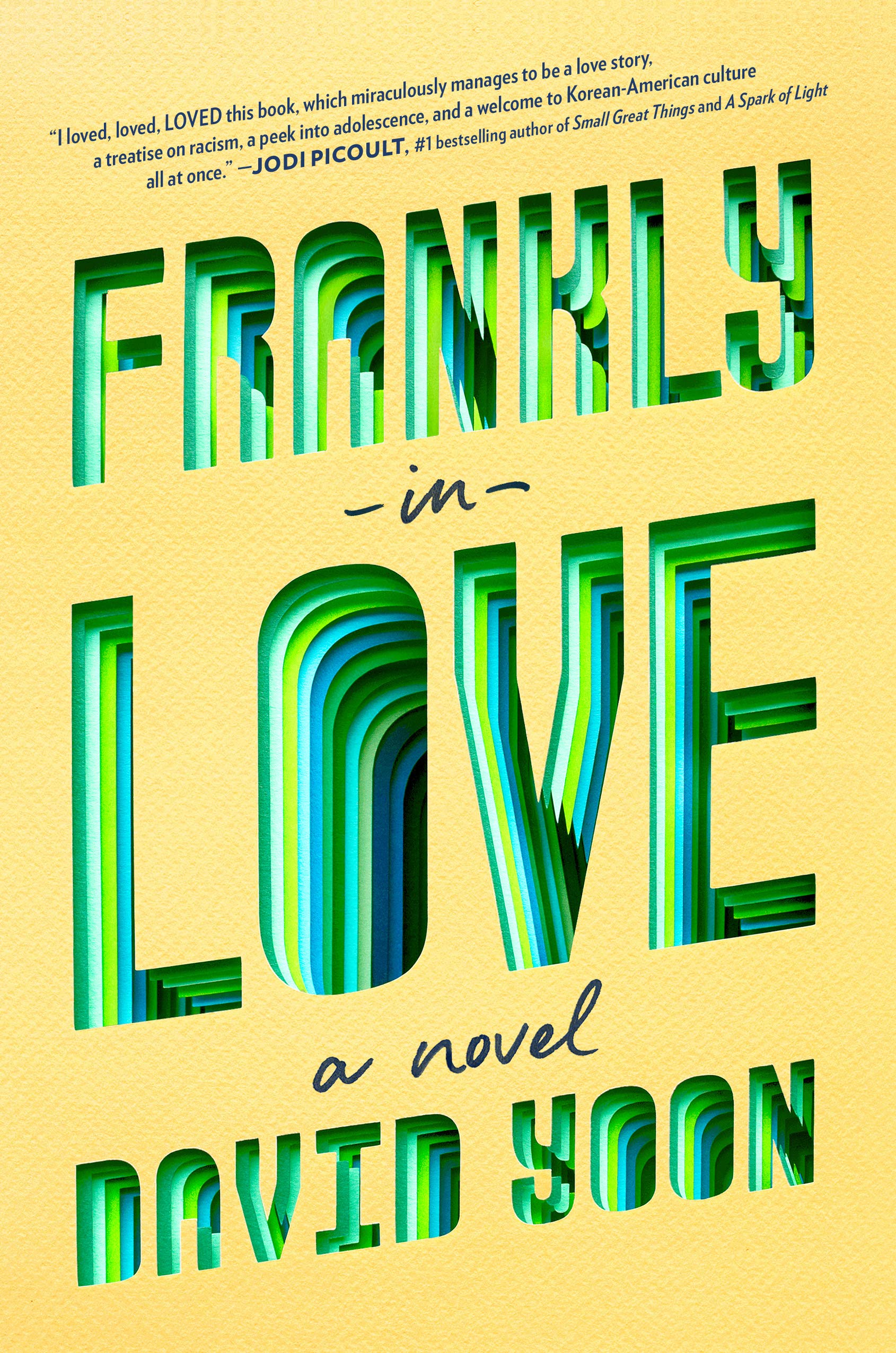
Book Review: Frankly in Love by David Yoon

Book Review: Frankly in Love by David Yoon

Hey there! Apologies for the brief hiatus — online school dawned on us this month and completely threw my schedule for a loop, but I’m slowly relearning what time management is again. As with everything these days, gradual progress beats no progress! Anyhow, all the free time I’ve been gifted by coronavirus-related cancellations has allowed me to read dozens of wonderful books I’d been planning to read for weeks, months, or even years. I’ve also started reviewing some of those books as part of my local public library’s Teen Review Crew, and I wanted to share my literary convictions on my blog as well. Without further ado, here’s my brief, spoiler-free review of one of my favorite quarantine reads: David Yoon’s YA novel Frankly in Love.


David Yoon’s debut novel Frankly in Love establishes Yoon as a completely unique, refreshing, and direly needed voice in the YA scene. Frankly in Love tells the story of Frank Li, a SoCal high school senior who happens to be Korean-American. He’s just fallen in love with beautiful, intelligent Brit Means, who happens to be white. This is an issue: Frank’s immigrant parents have always expected Frank to pair up with a nice Korean girl and have nice Korean babies. Frank thinks he’s found the perfect solution when he sets up a fake dating-scheme with Korean family friend Joy Song, who is also secretly dating a non-Korean. However, as time goes on and holes begin perforating their plan, Frank must question everything he thought he knew about identity, family, and love.


Frankly in Love is remarkably human. Each character feels genuine, retaining a unique story and personality while steering clear of rom-com stereotypes. As the protagonist, Frank Li is flawed yet lovable. His honest, often painful questioning of his racial, social, and familial identity will resonate profoundly with anyone who’s ever questioned their role in the world. There are one or two secondary characters who deserved further development, especially in the latter half of the story, but overall, the well-rounded characters are the most memorable portion of the book. Additionally, Yoon develops inter-character relationships masterfully with organic dialogue and doses of perfectly-placed humor. The well-paced, constantly shifting plot path is never jerky or unrealistic, and it mirrors the unpredictable nature of teenage life. Although Frankly in Love is premised on teen love and will certainly appeal to rom-com fans, the story soon convolutes into a greater commentary on race, class, and society that even the most high-brow readers will find illuminating.

Final Verdict:

  • 4.5/5 stars
  • Highly recommend to all
  • Youthful humor, heartwarming yet dimensional love story, and comprehensive Asian-American representation make it an ideal read to brighten the difficult & lonely times many of us are now experiencing
Why South Korea Keeps Impressing Me: Part 1

Why South Korea Keeps Impressing Me: Part 1

South Korean culture is whittled to meticulous perfection: the writing system was scientifically developed to be as easy as possible to learn, the popular music industry entails grueling training processes to polish its “idols,” and the College Scholastic Ability Test ensures unadulterated meritocracy in the university admissions process. Frankly, there’s a lot more to unpack when it come to South Korea’s double-edged sword of seeming perfection. Today, though, I just want to focus on the good. Specifically, there are three recent, somewhat minute facets of Korean culture that have impressed me with their emotional, intellectual, or tactical resonance, and I plan to discuss them all (and possibly more!) in my new “Why South Korea Keeps Impressing Me” series!

1. BTS’s Zero O’Clock

Songs don’t make me cry often, but this one did. In fact, I keep a Google Sheet where I track all the times I cry (I know, weird), and here’s what I said about Zero O’clock: “They talked about how when everything feels heavy, there’s always a new day. Everything resets at 12, in that hushed hour between days. They said I would be happy, that I should smile and hope for a happier me. I just needed someone to tell me that I would be happy again, that all this is worth it. I can be happy, I deserve to be happy, and I will be happy.”

For some context, I watched the lyric video for this song around midnight on March 1st, after a long day of summer program applications and upsetting news headlines. I was feeling exhausted and lonely, as we all do sometimes. Then, I took a break to listen to some BTS, as one does; in particular, I decided to indulge in a color coded lyric video (a common type of video in K-pop where fans translate song lyrics, write out the hangul and romanization, and color code by the band member singing). And when I was able to fully understand what these four Korean men from the other side of the world were singing about, the song suddenly hit much harder than it had the dozens of other times I’d listened to it before. Sometimes, you just need someone, anyone, to tell you that you’re not alone in feeling isolated and uncertain in this big, scary, competitive world. You’re always going to have a second chance, all the way until you leave this world, because each day is a new day and a new opportunity for happiness.

It’s moments like these where I truly appreciate the power of words and music, and the even greater power they can produce when combined. Yes, there’s a language barrier, but there’s also the pretty incredible community of people who care enough about an artist’s words to translate them for others, not to mention the universal emotional language of music. And I completely understand that K-pop isn’t everyone’s cup of tea; some people would rather not listen to music in a different language from a country unfamiliar and foreign, and that’s absolutely fine. But I genuinely don’t remember the last time I heard a message like this in mainstream American pop music, and that’s a shame — it’s a message that so many of us desperately need to hear, no matter where in the world we live. So for the people who discount K-pop as the fluffy obsession of internet-obsessed teenage Twitter fanatics, I implore that they listen to at least one song, like the one above, by a K-pop artist with some artistic autonomy; then the appeal of K-pop may turn out to be far more human and visceral than they would’ve believed.

SIFT: 4 Steps to Finding Your Personal Style

SIFT: 4 Steps to Finding Your Personal Style

I know it’s unnecessary to state at this point, but times are difficult. With our ordinary schedules and social lives put on pause, lots of us don’t quite know what to do with ourselves. How do we balance relaxing with productivity? How do we stay connected without being hyperconnected and accumulating hours of screen time each day?

I’m certainly not qualified to answer these questions, because I’m still fumbling for the answers myself. I’ve tried setting a schedule, writing to-do lists, and dressing for success, but alas, success in getting something done during this break still eludes me. But perhaps one of those strategies will turn out to be the turning point for you, and I encourage you to experiment with different strategies for existence at this point. When I eventually figure out how to put myself to proper use, I’ll let you all know.

Amidst all the uncertainty and unproductivity and unknowability, I think creative outlets are more important than ever. I’ve said it before, but it’s worth repeating: fashion is an incredibly fulfilling form of self-expression. A particular choice of outfit can bring a new persona onto your skin, a new smile onto your face. Although fashion should be a choice all your own, I’ve found that compliments on my outfits bring me an extra bit of much-needed joy, particularly on tough days or from people I typically don’t interact with. Being able to craft a personal style that reflects your unique personality is priceless — although you certainly don’t need to spend a fortune, or truly anything at all, to find out what styles make you happy.

So, after watching far too many hours of fashion-related videos this past week, here’s my personal advice on finding what styles make you feel happy, empowered, and comfortable in your own skin. It’s really only been this school year that I feel I’ve started to contemplate fashion deeply and develop a truly personal style. The choice to care about fashion is, of course, a personal one, but I do believe that putting an extra touch of effort into how you present yourself to the world can do wonders for your self-confidence.

Without further ado, here’s SIFT, my 4-step formula to formulating your unique personal style.

  1. Search
    • Explore your current closet. Which items do you gravitate towards most frequently? Does a particular color palette, style era, clothing cut, fabric, texture, etc. tend to appear?
    • Consider your current interests. What music genres do you like? What movies do you prefer, and do they tend to have a similar aesthetic or era? Do you have any cultural heritage or historical ties that could influence your fashion choices? Your interests likely already influence what you wear subconsciously, so feel free to explore styles reflected by your interests more consciously.
    • The fun part: Scour the internet for inspiration! For me, Pinterest has factored hugely into what I see, what I wear, and what I like. My fashion board started out as a dump of all the outfits that appealed to me, and slowly it’s morphed into a behemoth of the different clothing styles that influence me. Just pin anything that catch your eye — this is just the stretch-out-my-feelers phase.
  2. Identify
    • You’ve got a general picture of what you like. Now take a more analytical eye to those things you like. Is there a general trend happening? For example, are there lots of pastels, mini skirts, and oversized fits going on (e.g., kawaii/soft girl)? Maybe you have a darker mood going on; Doc Marten boots, dark-hued flannels, black, washed-out colors, and fishnets are often indicative of a grunge style.
    • Most people don’t fall neatly into one category of style trends, which is awesome! Your different preferences are what make your style unique. Generally, though, there will be a few clothing items, colors, or cuts common throughout your fashion board. Identify these common elements.
  3. Find
    • Now that you have a precise idea of what clothing pieces and elements you want your style to reflect, find out which of those pieces, if any, are missing from your wardrobe.
    • Most likely, you’ll find the majority of your desired wardrobe elements hiding in your closet somewhere. Don’t be afraid to check out parents’ or siblings’ closets — I’ve basically gotten dozens of free vintage clothing from my parents! If there are some wardrobe staples from your desired style that you don’t currently own but feel you would wear frequently, create a list of those items. When you go clothing shopping (which should not be for a long while), prioritize the items on your list — don’t be distracted by sales of clothes you don’t actually want or need!
  4. Try
    • At this point, your wardrobe has the essential elements needed for your individual style. Now play with those elements! Try constructing a few outfits on your own. Reconstructing your favorite outfits from Pinterest or celebrities whose style you admire is a great leaping-off point. This is the most important part of finding your style: trying out different elements on your body in your life and seeing for yourself what makes you feel most confident!

Here’s my case study of SIFT in action!

  1. Search: My fashion Pinterest Boards are linked at the bottom of the post!
    • Pinterest was and is my best friend when it comes to style. I already knew K-pop influenced my life a lot, so K-fashion understandably is prominently represented in my outfits. Anime also was a big part of my life in middle school, so anime aesthetics factor into what I wear. Pink is my favorite color, and I tend to wear it frequently. I’m also a big fan of fuzzy items, which is perfect, given I live in the very rainy, often chilly Pacific Northwest.
  2. Identify: I’ve identified 4 main elements to my style:
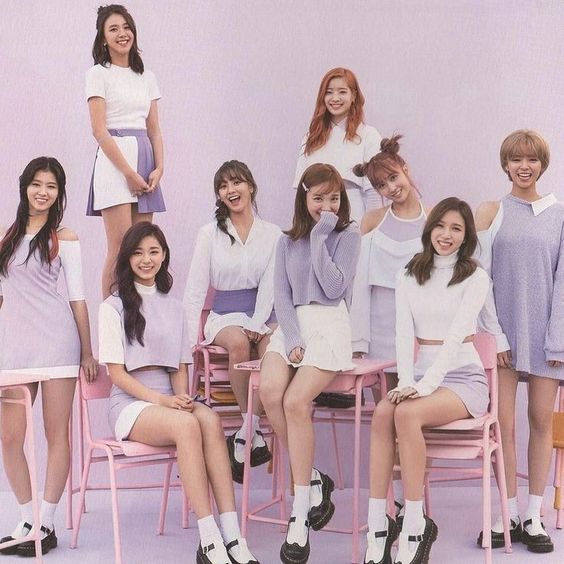
    • K-pop + Korean Fashion (pleated skirts, oversized, layering, schoolgirl look, colorful [casual Korean fashion has more neutral and subdued hues though])
    • undefined
    • undefined
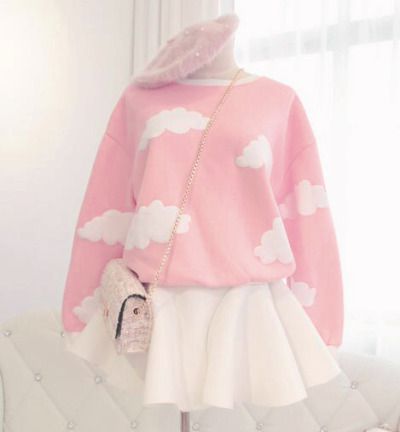
    • Cute + Kawaii + Anime (pastels [mainly pink, purple, and blue for me], hearts, knee/thigh-high socks)
    • undefined
    • undefined
    • Vintage + 90s (“cute grandma” — cardigans, high-rise wide-leg jeans, turtlenecks, mini skirts, plaid)
    • undefined
    • undefined
    • Preppy (collared shirts, V-neck sweaters, trousers, pea coats, overcoats)
    • undefined
    • undefined
  3. Find:
    • After dipping my toe into fashion, I chanced a trip into my mother’s closet. Lo and behold, much of her clothing from late 90s and early 2000s — cardigans, sweaters, and so many jeans! — fit me perfectly! Because many were Chinese brands, many of the pants in particular fit me even better than American brands do.
    • In addition to thieving half my mother’s old closet, I asked for clothing money for Christmas. I was able to spread that money across a YesStyle haul and trips to Marshall’s, Ross, and a nearby outlet mall. If you’re into Asian fashion and want items like pleated skirts, plaid skirts, and heart-buckled belts that you just can’t find anywhere else, and if you just can’t afford sustainable fashion, I would recommend YesStyle. Their low prices suggest unethical work practices, and the quality of clothing is almost always questionable, but the cuteness and variety of their clothing cannot be denied. Just remember to check the sizing charts!
  4. Try
    • This is what you see every time I post new outfit pictures on here! Trying is a constant effort, because your personality and personal style are constantly developing into something newer and waiting to be explored.

I challenge you to experiment with your closet this break! This is the perfect time to settle down, get some good Pinterest runs going, and try on different outfit combinations without fear of judgement. Building outfits can also be a fun, therapeutic way to pass the time. Best of luck!