How to Write a Press Release and Get Coverage for Your Startup

How to Write a Press Release and Get Coverage for Your Startup

What is a press release? When and why do I need one?

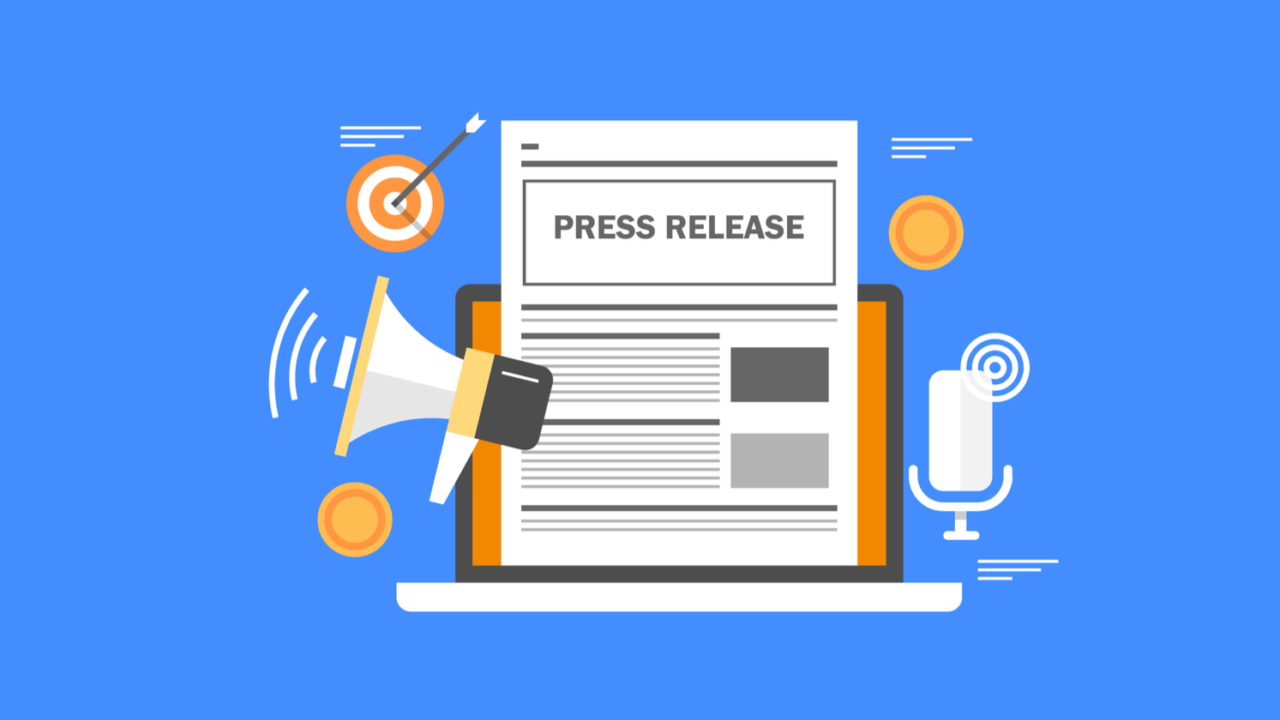
For high school founders with a flair for writing and a fire for PR, press releases are a golden ticket to getting free brand publicity. A press release is simply a concise, official announcement about a newsworthy event. It is directed toward targeted members of the media and contains all the core details reporters need to craft a publication-ready story. Unlike media advisories, which are released in advance of events, press releases are created and disseminated immediately after noteworthy events take place. In the context of your life as a high school entrepreneur, you might create a press release for situations like these:

  1. đźš—Your startup rolls out a new product or service
  2. 🎒Your school’s business club launches a district-wide entrepreneurial mentorship program
  3. đź“•You publish your own book, podcast, or other form of media

So, why write a press release in the first place? Well, the primary goal of press releases is to attract the attention of journalists and get news coverage of your event. Especially as youth, it’s difficult to establish credibility for your initiatives. (You’ve surely noticed how every 3rd high schooler on LinkedIn these days seems to be a “Founder and CEO”.) News coverage validates your work from a professional outsider’s perspective. Press releases are a 100% free way to reap the benefits of press coverage, which include the following:

  • Grow brand credibility
  • Build name recognition
  • Raise awareness of your products, projects, initiatives, etc.
    • Attract new customers, team members, and partners
    • Drive online traffic and improve SEO ranking
  • Provide proof of your accomplishments

Knowing all these benefits, it’s tempting to just dive right into writing your latest press release! Before that, though, you need to take some preparatory steps to ensure your press release hits the right points, reaches the right people, and ultimately turns into a news story.

How do I prepare to write a press release? What research do I need to do?

Research your recipients

Before you begin writing your press release, research the audience for your press release. Do you want to reach business professionals, other teens, or the community at large? As high schoolers, the vast majority of us will likely be contacting local press outlets, at least in the early stages of our initiatives when our impact is typically more localized. As such, this post will focus on local (district/city/county level) coverage. Regardless of who your target audience is, you should have logic-based answers to the following questions:

  • To which media outlet(s) will you be marketing your story?
    • Ex: Chamber of Commerce magazine to reach local business-owners
  • Is your desired medium print, televised, or radio? 
    • Ex: print (online) because articles are easier to share via social media (which users are especially active on nowadays due to COVID-19)
  • Within those media outlets, which specific journalist(s) will you be reaching out to?
    • Ex: small business reporter because they have the same target audience as you

Most local newspaper websites have “Contact” or “Staff” pages where you can find journalists’ contact information and reporting roles (e.g., Education Reporter, Politics Reporter, etc.). Be sure to check other stories these journalists have published to ensure your story fits soundly into their niche.

If you plan to contact multiple journalists from different publications, consider keeping track of reporter names, contact information, and reporting areas in a spreadsheet. You could even share this spreadsheet with your team and have team members contact their local press independently for wider geographic coverage.

Build Relationships in Advance

Step3 Build Rapport With Journalists1
Example from Neil Patel of a successful initial outreach email. Short, sweet, & to the point.

Remember, journalists are busy people. Especially in more populated cities, even local journalists could be inundated with hundreds of emails and press releases every day. Personal connections and established relationships will do you wonders here. As you start writing your press release, reach out in advance to the journalists you intend to contact. Introduce yourself and why you’re relevant to them (e.g., I’m a student at [local high school] who recently launched a startup with 2k in revenue and would love to share my story with our community).

You could then ask them about what kinds of stories they want to cover, what issues they see as important in the local community, or what their short-term publishing schedule looks like (so you know when there might be an opening for your press release to be published). Like all good networking, your focus here shouldn’t be on what the journalist can do for you, but what you can do for each other.

When sending these cold reach-out emails, capitalize on existing connections you have to the journalist to establish rapport from the get-go. You might mention a particular story of theirs you enjoyed or a connection you have to an individual they interviewed. This is great news (pun intended) for those of you living in smaller towns. Chances are you know at least one person who has ties to the local press, whether through a parent who works in city government or a neighbor who frequently organizes community events. Take advantage of these relations, and see if someone you know would be willing to put in a good word for you or even arrange a meetup for you with the journalist. This helps build your relationship more organically.

Don’t be afraid to reach out to your school administrators or teachers and see if they can offer any guidance, resources, or connections that will help you understand the media workings of your school district and local community. Remember, your school officials’ job is to support students as much as possible, and chances are they’ll be happy to share startups, events, and other impressive projects founded by their own students. (Not to mention, schools receive positive PR for their own institutions by producing self-motivated, entrepreneurially-minded students.)

How do I write a press release?

Press release - Wikipedia

Press releases are stories, not advertisements. They are told in an objective 3rd-person tone and read like a standard news article, complete with quotes, statistics, and sources. Good press releases cover the “who, what, when, where, how, and (most importantly) why” of the event as concisely as possible and should be no longer than a page.

Press Releases — LifeWorks

Contact Information

It’s typical to put the name, email, and phone number of the individual who wrote the press release at the header of the page. “For Immediate Release: [Date of release]” is also commonplace here; some also add the company logo at the top.

Headline

Your headline needs to be catchy, clickable, and share-worthy. The journalist may be doing you a favor by providing coverage, but you should also think of how you can do the journalist a favor by driving readers and revenue to their published story.

Target your headline so it’ll not only fit your needs but also suit the journalist’s beat. Ultimately, your goal is to drive traffic and build credibility for your organization; to do that, prospective readers need to be captivated by your headline enough to click on your story in the first place. 

Take note that local media loves a feel-good story. As teens, we have the added advantage of youth: people love stories about kids doing inspiring things and helping their community. Does your event/product benefit your community in some way, particularly community members who are most in need (e.g., unemployed, low-income, elderly)? Does it relate or provide a solution to a current issue (e.g., COVID-19, social isolation, loneliness)?

Depending on the angle of your story, emphasizing your positive contributions to your community as well as your age can add an additional wow factor. Headlines like “16-year-old founds startup aiding unemployed” are be more compelling than “New Bay Area startup successfully launches.”

1st Paragraph

Begin with a location stamp (as in “Albany, OR”). Following this will be your 1st sentence, or lede, which summarizes the who, what, why, where, and how of your update in 25 words or less. Some press releases include a brief 1-line summary of the article right beneath the headline and above the 1st paragraph too, as seen in the lovely “Catbrella” example below. Like much of press release formatting, this line’s inclusion is largely up to personal preference.

Sample press release format by HubSpot, with orange markers showing five rules to follow

2nd, 3rd, and (Optional) 4th Paragraphs

The order of these final body paragraphs is flexible. Collectively, though, these paragraphs should provide applicable supplementary details that strengthen the narrative behind your update and answer additional questions readers/journalists may have. Keep in mind that no new key information (e.g., any of the 5 Ws) should appear after the 1st paragraph.

Quotes (from the founders, customers, or anyone else associated with the event) are key in developing the human side of the story. Statistics further create credibility for your brand. A call to action (e.g., link to pre-register for your next product) may be included in the concluding paragraph depending on the nature of your release.

Boilerplate Paragraph

Your boilerplate paragraph sits at the bottom of the press release as a separate blurb introducing your company’s work. However, some press releases combine the boilerplate company description with the concluding paragraph. Again, it’s all personal preference — just be consistent with what you choose. One more commonplace rule, however, is including 3 hashtags (###) to conclude your releases. This is a leftover tradition from the days of paper press releases, but it is still common practice for professional press releases.

How do I distribute my press release and turn it into media coverage?

Sending the Release

After editing and proofreading your press release, the next step is distribution. If the contact information is provided, you could call the journalist with your self-introduction and pitch ready (after ensuring the journalist isn’t busy or working towards an imminent deadline at the time of your call).

However, the most common and accessible way to distribute your press release is by emailing your target journalist. Given our limited resources and funding as high schoolers, paid services like PR Newswire are rarely worth it and would probably yield fewer results than well-prepared pitches to specially targeted journalists. The final press release email is quite simple:

  1. Paste your headline into the subject of the email.
  2. Paste the body of your press release into the body of the email.

If desired, attach a PDF or Word document of your press release to the email. Opinions differ on this, as large attachments bog down emails and are prone to spam filters. So, if you want to stay on the safe side, avoid attaching files to your email. If there are special images and formatting you want to include, consider linking a permalink to the PDF or the applicable press release page from your website/social media.

Subscribe to The Lemonade Stand‘s free monthly newsletter to read the rest of this article!

You’ll learn the best time to send your email, as well as how and when to follow up. You’ll get links to all the other resources & articles about press releases you could need, plus access to dozens of other articles tailor-made for high school entrepreneurs!

Full post linked here!
Caroline’s Colossal Collection of Writing Competitions

Caroline’s Colossal Collection of Writing Competitions

Caroline’s Colossal Collection of Writing Competitions

The world of writing competitions for youth is vast and sometimes overwhelming; sifting through a seemingly endless supply of short story, poetry, nonfiction, journalistic, and every-other-possible-genre writing contests to find the right fit for you can feel an indomitable task at times. However, writing competitions and the accompanying search are absolutely worth your time. If you’re a person who loves words, writing competitions can be a incredible pathway to new creative inspiration and networking opportunities. Your existing work can be recognized, or you can create something new that you didn’t even realize you were capable of producing in response to a writing competition’s prompt. Even if you don’t think of yourself as a writer, you might find an essay contest that’s perfectly in your niche, whether that’s World War II or international relations or engineering. Besides the intellectual stimulation of the writing process, being recognized is incredibly gratifying. Many provide some kind of scholarship or monetary compensation, and winning writing awards always looks awesome on college or scholarship apps.


I’ll be the first to admit, though, finding the competition deadline, info, submission genres, and more can be exhausting. I’d like to start a series of reviews where I round up the writing competition resources that have been most helpful to me, as a teen writer who’s been recognized by Scholastic Art & Writing, the Torrance Creativity Awards, and the Goi Peace Foundation. I’ll start simple, with the big lists of well-regarded, legitimate writing competitions compiled by others that provide lots of key info quickly so you can find exactly what you’re looking for. Starting broadly is best so you don’t cut yourself off from potentially great opportunities just because they’re outside your more narrow niche. Take a chance and try entering one of the competitions on these lists — after all, most of you have plentiful free time now!


Student-focused Contest Compilations

We Are Teachers – 20 Student Writing Contest – provides brief description of contest, how to enter, awards for winners, and deadlines (though specific days change year to year)

New Pages Young Writers Guide to Contests – describes age/grade eligibility, genre of contest, and deadlines

Prepscholar – Writing Contests For High School Students – describes award amount, entry fee, deadline, and organization/contest overview  

Quora – How can I develop a spike in English…? – threads like this one on Quora and College Confidential can be treasure troves of resources

Not necessarily marketed to teens, but many submissions open to all 
Freedom with Writing – regularly updated website posting latest paid writing opportunities (publications, competitions, & more)

The Writer Magazine – latest contests constantly posted on website and newsletters

The Write Life – Writing Contest – list of 32 writing competitions with cash prizes

**Note: I compiled and have been meaning to publish these long before George Floyd’s horrific death occurred. We are seeing the product of months, years, centuries of injustice — in who holds power in society, in how society protect those meant to protect us, in who suffers the most from global pandemics and government policies and environmental deregulation. Black lives matter, and they always have. I intend to expand on the BLM movement, racial injustice, and resources for educating yourself on those topics in a later post, but for now, I did want to share something a little lighter, something that could help someone in some small way. Please, stay safe and remember that you are not alone.

Why South Korea Keeps Impressing Me: Part 1

Why South Korea Keeps Impressing Me: Part 1

South Korean culture is whittled to meticulous perfection: the writing system was scientifically developed to be as easy as possible to learn, the popular music industry entails grueling training processes to polish its “idols,” and the College Scholastic Ability Test ensures unadulterated meritocracy in the university admissions process. Frankly, there’s a lot more to unpack when it come to South Korea’s double-edged sword of seeming perfection. Today, though, I just want to focus on the good. Specifically, there are three recent, somewhat minute facets of Korean culture that have impressed me with their emotional, intellectual, or tactical resonance, and I plan to discuss them all (and possibly more!) in my new “Why South Korea Keeps Impressing Me” series!

1. BTS’s Zero O’Clock

Songs don’t make me cry often, but this one did. In fact, I keep a Google Sheet where I track all the times I cry (I know, weird), and here’s what I said about Zero O’clock: “They talked about how when everything feels heavy, there’s always a new day. Everything resets at 12, in that hushed hour between days. They said I would be happy, that I should smile and hope for a happier me. I just needed someone to tell me that I would be happy again, that all this is worth it. I can be happy, I deserve to be happy, and I will be happy.”

For some context, I watched the lyric video for this song around midnight on March 1st, after a long day of summer program applications and upsetting news headlines. I was feeling exhausted and lonely, as we all do sometimes. Then, I took a break to listen to some BTS, as one does; in particular, I decided to indulge in a color coded lyric video (a common type of video in K-pop where fans translate song lyrics, write out the hangul and romanization, and color code by the band member singing). And when I was able to fully understand what these four Korean men from the other side of the world were singing about, the song suddenly hit much harder than it had the dozens of other times I’d listened to it before. Sometimes, you just need someone, anyone, to tell you that you’re not alone in feeling isolated and uncertain in this big, scary, competitive world. You’re always going to have a second chance, all the way until you leave this world, because each day is a new day and a new opportunity for happiness.

It’s moments like these where I truly appreciate the power of words and music, and the even greater power they can produce when combined. Yes, there’s a language barrier, but there’s also the pretty incredible community of people who care enough about an artist’s words to translate them for others, not to mention the universal emotional language of music. And I completely understand that K-pop isn’t everyone’s cup of tea; some people would rather not listen to music in a different language from a country unfamiliar and foreign, and that’s absolutely fine. But I genuinely don’t remember the last time I heard a message like this in mainstream American pop music, and that’s a shame — it’s a message that so many of us desperately need to hear, no matter where in the world we live. So for the people who discount K-pop as the fluffy obsession of internet-obsessed teenage Twitter fanatics, I implore that they listen to at least one song, like the one above, by a K-pop artist with some artistic autonomy; then the appeal of K-pop may turn out to be far more human and visceral than they would’ve believed.

SIFT: 4 Steps to Finding Your Personal Style

SIFT: 4 Steps to Finding Your Personal Style

I know it’s unnecessary to state at this point, but times are difficult. With our ordinary schedules and social lives put on pause, lots of us don’t quite know what to do with ourselves. How do we balance relaxing with productivity? How do we stay connected without being hyperconnected and accumulating hours of screen time each day?

I’m certainly not qualified to answer these questions, because I’m still fumbling for the answers myself. I’ve tried setting a schedule, writing to-do lists, and dressing for success, but alas, success in getting something done during this break still eludes me. But perhaps one of those strategies will turn out to be the turning point for you, and I encourage you to experiment with different strategies for existence at this point. When I eventually figure out how to put myself to proper use, I’ll let you all know.

Amidst all the uncertainty and unproductivity and unknowability, I think creative outlets are more important than ever. I’ve said it before, but it’s worth repeating: fashion is an incredibly fulfilling form of self-expression. A particular choice of outfit can bring a new persona onto your skin, a new smile onto your face. Although fashion should be a choice all your own, I’ve found that compliments on my outfits bring me an extra bit of much-needed joy, particularly on tough days or from people I typically don’t interact with. Being able to craft a personal style that reflects your unique personality is priceless — although you certainly don’t need to spend a fortune, or truly anything at all, to find out what styles make you happy.

So, after watching far too many hours of fashion-related videos this past week, here’s my personal advice on finding what styles make you feel happy, empowered, and comfortable in your own skin. It’s really only been this school year that I feel I’ve started to contemplate fashion deeply and develop a truly personal style. The choice to care about fashion is, of course, a personal one, but I do believe that putting an extra touch of effort into how you present yourself to the world can do wonders for your self-confidence.

Without further ado, here’s SIFT, my 4-step formula to formulating your unique personal style.

  1. Search
    • Explore your current closet. Which items do you gravitate towards most frequently? Does a particular color palette, style era, clothing cut, fabric, texture, etc. tend to appear?
    • Consider your current interests. What music genres do you like? What movies do you prefer, and do they tend to have a similar aesthetic or era? Do you have any cultural heritage or historical ties that could influence your fashion choices? Your interests likely already influence what you wear subconsciously, so feel free to explore styles reflected by your interests more consciously.
    • The fun part: Scour the internet for inspiration! For me, Pinterest has factored hugely into what I see, what I wear, and what I like. My fashion board started out as a dump of all the outfits that appealed to me, and slowly it’s morphed into a behemoth of the different clothing styles that influence me. Just pin anything that catch your eye — this is just the stretch-out-my-feelers phase.
  2. Identify
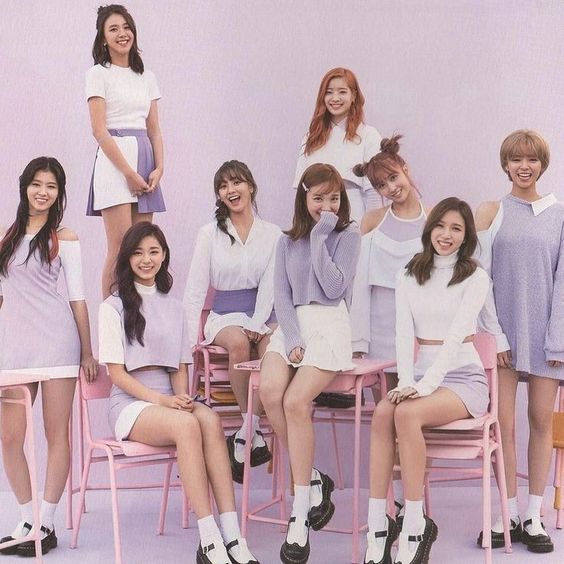
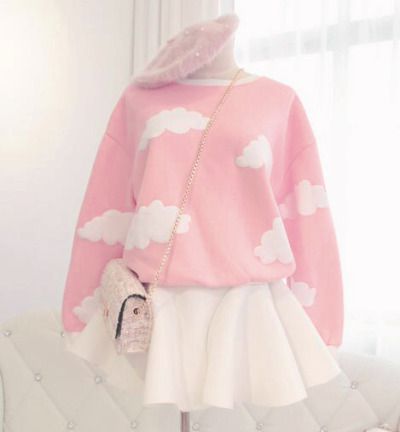
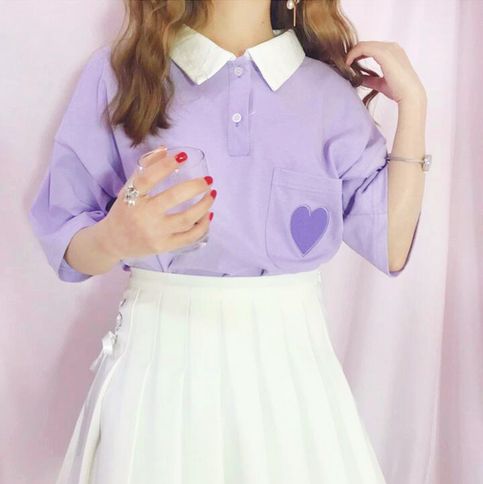
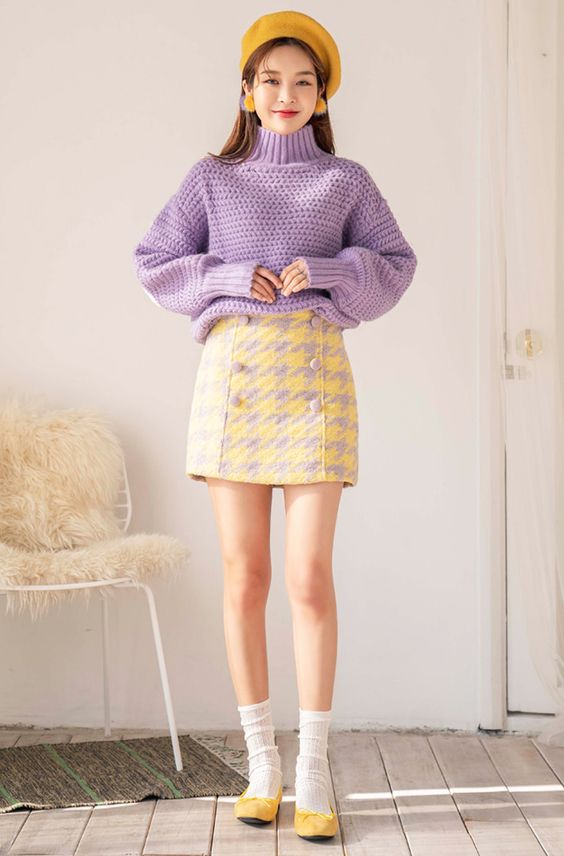
    • You’ve got a general picture of what you like. Now take a more analytical eye to those things you like. Is there a general trend happening? For example, are there lots of pastels, mini skirts, and oversized fits going on (e.g., kawaii/soft girl)? Maybe you have a darker mood going on; Doc Marten boots, dark-hued flannels, black, washed-out colors, and fishnets are often indicative of a grunge style.
    • Most people don’t fall neatly into one category of style trends, which is awesome! Your different preferences are what make your style unique. Generally, though, there will be a few clothing items, colors, or cuts common throughout your fashion board. Identify these common elements.
  3. Find
    • Now that you have a precise idea of what clothing pieces and elements you want your style to reflect, find out which of those pieces, if any, are missing from your wardrobe.
    • Most likely, you’ll find the majority of your desired wardrobe elements hiding in your closet somewhere. Don’t be afraid to check out parents’ or siblings’ closets — I’ve basically gotten dozens of free vintage clothing from my parents! If there are some wardrobe staples from your desired style that you don’t currently own but feel you would wear frequently, create a list of those items. When you go clothing shopping (which should not be for a long while), prioritize the items on your list — don’t be distracted by sales of clothes you don’t actually want or need!
  4. Try
    • At this point, your wardrobe has the essential elements needed for your individual style. Now play with those elements! Try constructing a few outfits on your own. Reconstructing your favorite outfits from Pinterest or celebrities whose style you admire is a great leaping-off point. This is the most important part of finding your style: trying out different elements on your body in your life and seeing for yourself what makes you feel most confident!

Here’s my case study of SIFT in action!

  1. Search: My fashion Pinterest Boards are linked at the bottom of the post!
    • Pinterest was and is my best friend when it comes to style. I already knew K-pop influenced my life a lot, so K-fashion understandably is prominently represented in my outfits. Anime also was a big part of my life in middle school, so anime aesthetics factor into what I wear. Pink is my favorite color, and I tend to wear it frequently. I’m also a big fan of fuzzy items, which is perfect, given I live in the very rainy, often chilly Pacific Northwest.
  2. Identify: I’ve identified 4 main elements to my style:
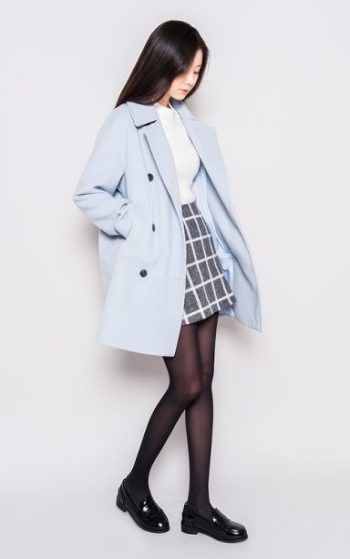
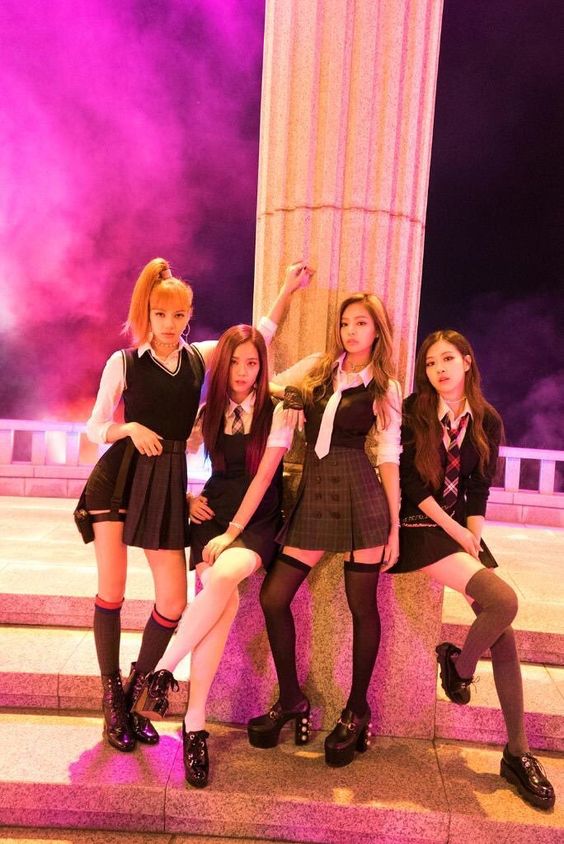
    • K-pop + Korean Fashion (pleated skirts, oversized, layering, schoolgirl look, colorful [casual Korean fashion has more neutral and subdued hues though])
    • undefined
    • undefined
    • Cute + Kawaii + Anime (pastels [mainly pink, purple, and blue for me], hearts, knee/thigh-high socks)
    • undefined
    • undefined
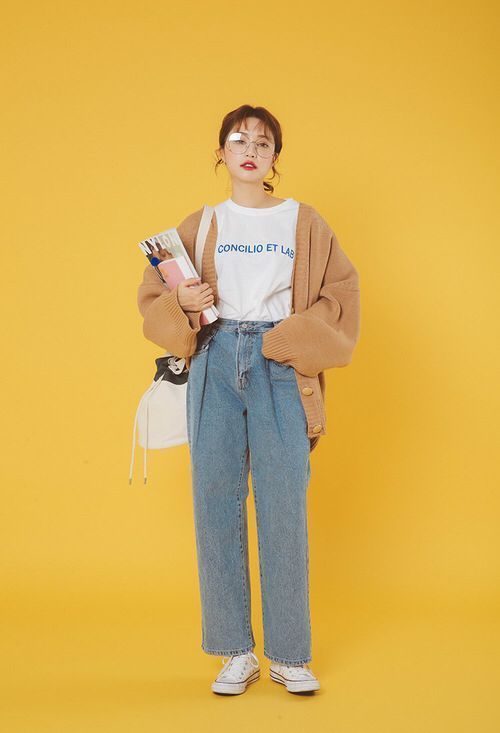
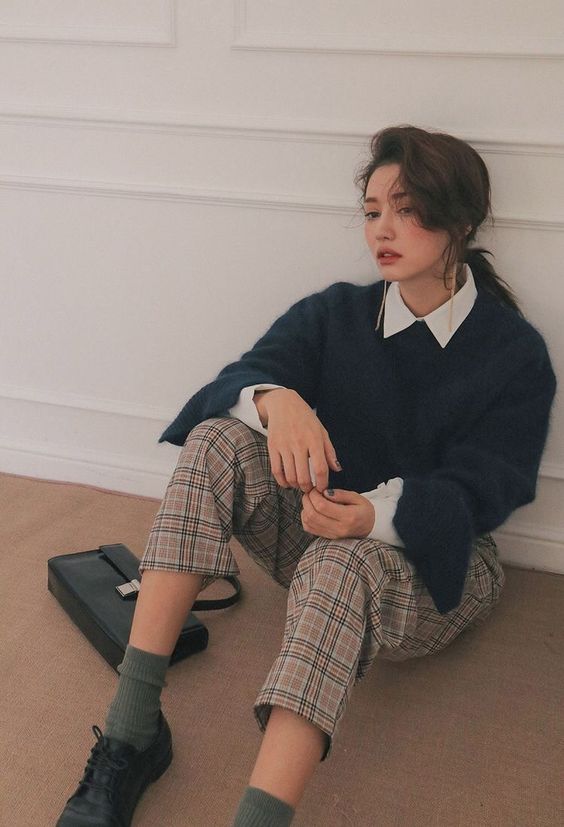
    • Vintage + 90s (“cute grandma” — cardigans, high-rise wide-leg jeans, turtlenecks, mini skirts, plaid)
    • undefined
    • undefined
    • Preppy (collared shirts, V-neck sweaters, trousers, pea coats, overcoats)
    • undefined
    • undefined
  3. Find:
    • After dipping my toe into fashion, I chanced a trip into my mother’s closet. Lo and behold, much of her clothing from late 90s and early 2000s — cardigans, sweaters, and so many jeans! — fit me perfectly! Because many were Chinese brands, many of the pants in particular fit me even better than American brands do.
    • In addition to thieving half my mother’s old closet, I asked for clothing money for Christmas. I was able to spread that money across a YesStyle haul and trips to Marshall’s, Ross, and a nearby outlet mall. If you’re into Asian fashion and want items like pleated skirts, plaid skirts, and heart-buckled belts that you just can’t find anywhere else, and if you just can’t afford sustainable fashion, I would recommend YesStyle. Their low prices suggest unethical work practices, and the quality of clothing is almost always questionable, but the cuteness and variety of their clothing cannot be denied. Just remember to check the sizing charts!
  4. Try
    • This is what you see every time I post new outfit pictures on here! Trying is a constant effort, because your personality and personal style are constantly developing into something newer and waiting to be explored.

I challenge you to experiment with your closet this break! This is the perfect time to settle down, get some good Pinterest runs going, and try on different outfit combinations without fear of judgement. Building outfits can also be a fun, therapeutic way to pass the time. Best of luck!