안녕하세요 여러분! 저는 드디어 한국에 도착했어요. 오늘은 격리 11일 이에요. 힘든데 끝은 거의 다 왔어요! ^^
Hello everybody! I’ve finally arrived in Korea, and I am in day 11 of my 2-week isolated quarantine. It’s tough, but the end is almost here! 😀
With the start of our in-person NSLI-Y experience just around the corner, I wanted to recap my journey traveling to Korea and the brief but wonderful memories made at Pre-departure Orientation (PDO) in San Francisco. I’ll also share the main goals I plan to achieve during NSLI-Y.
Departure to Pre-Departure Orientation: EUG ➜ SFO
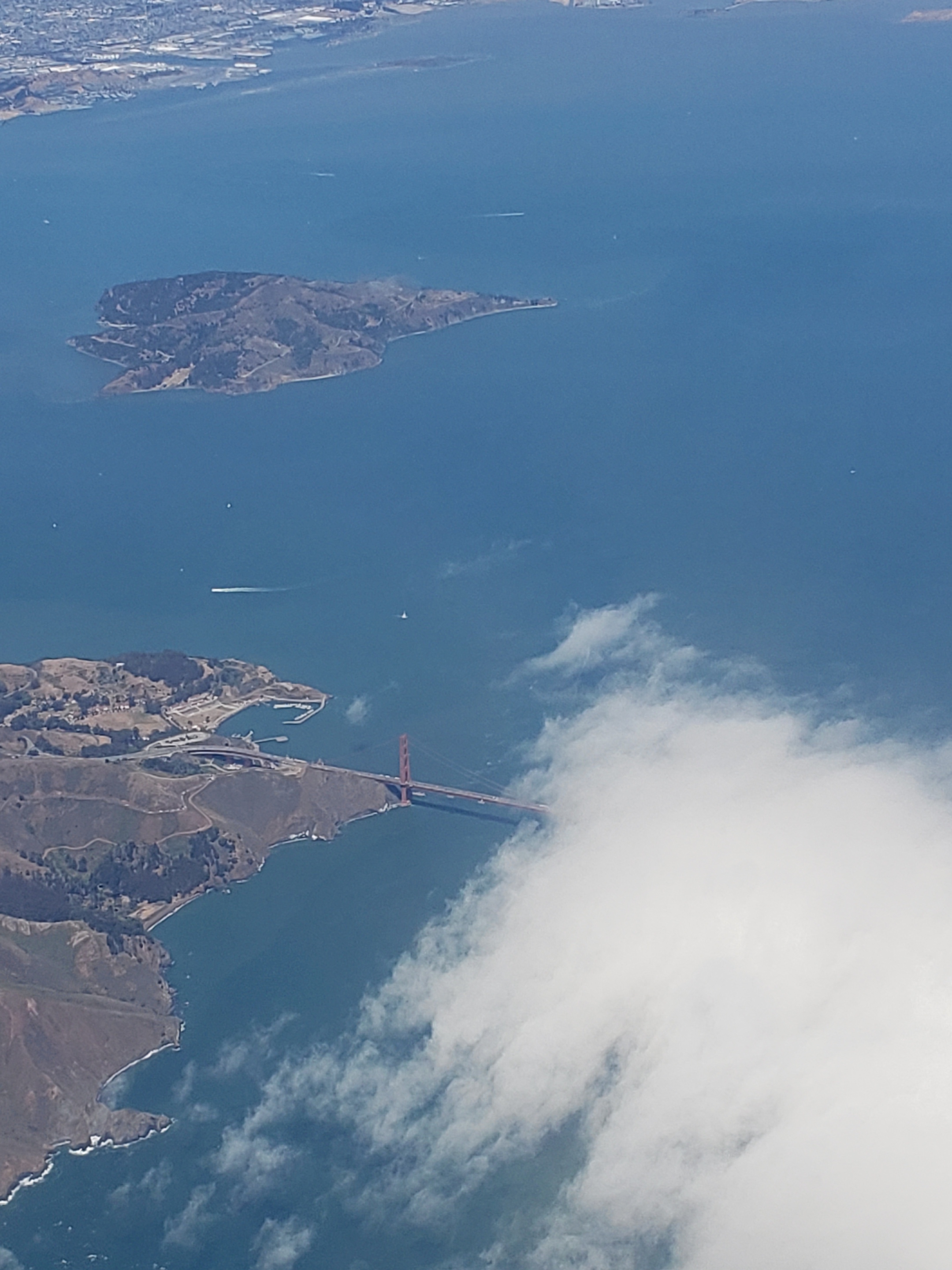
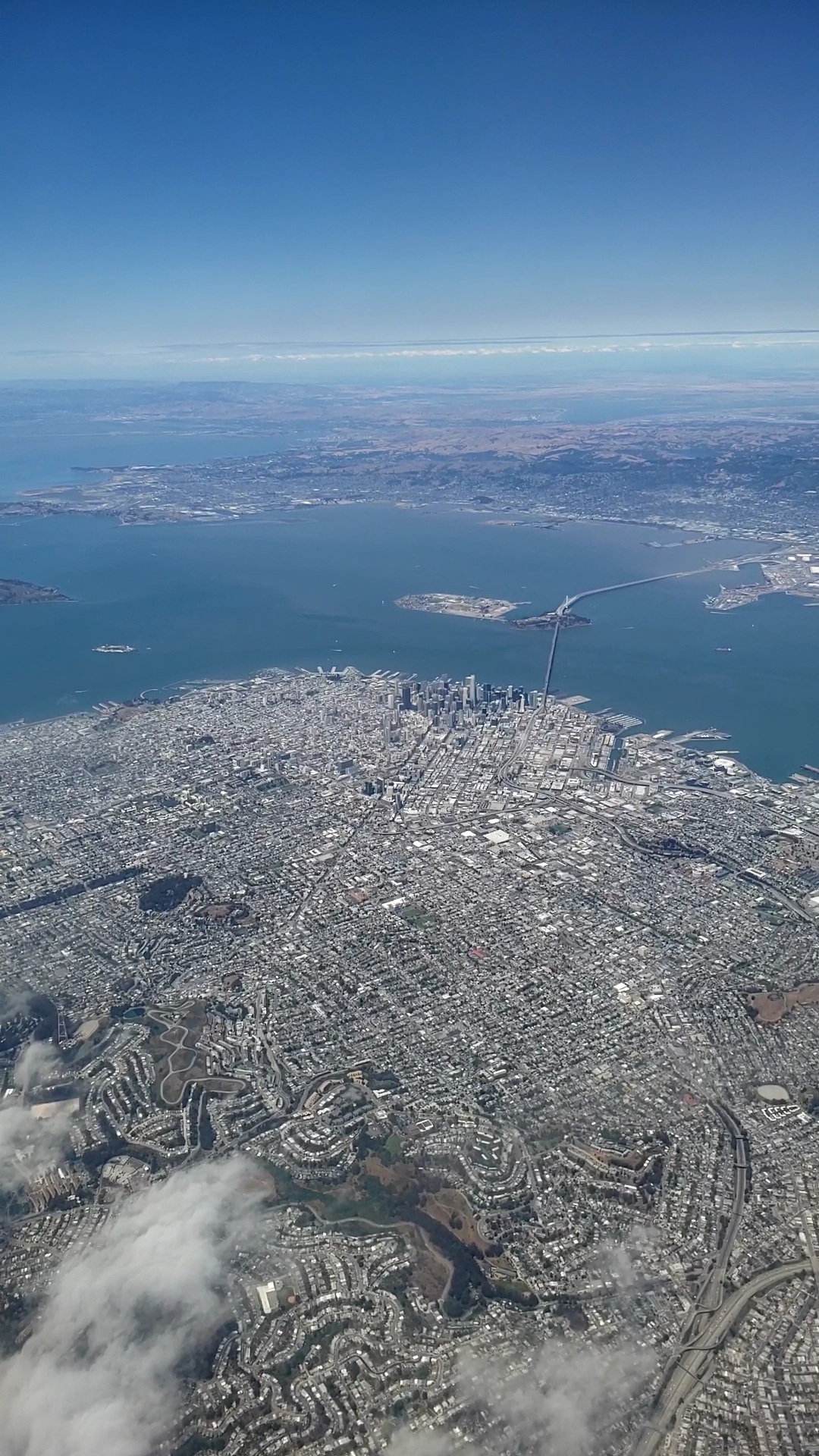
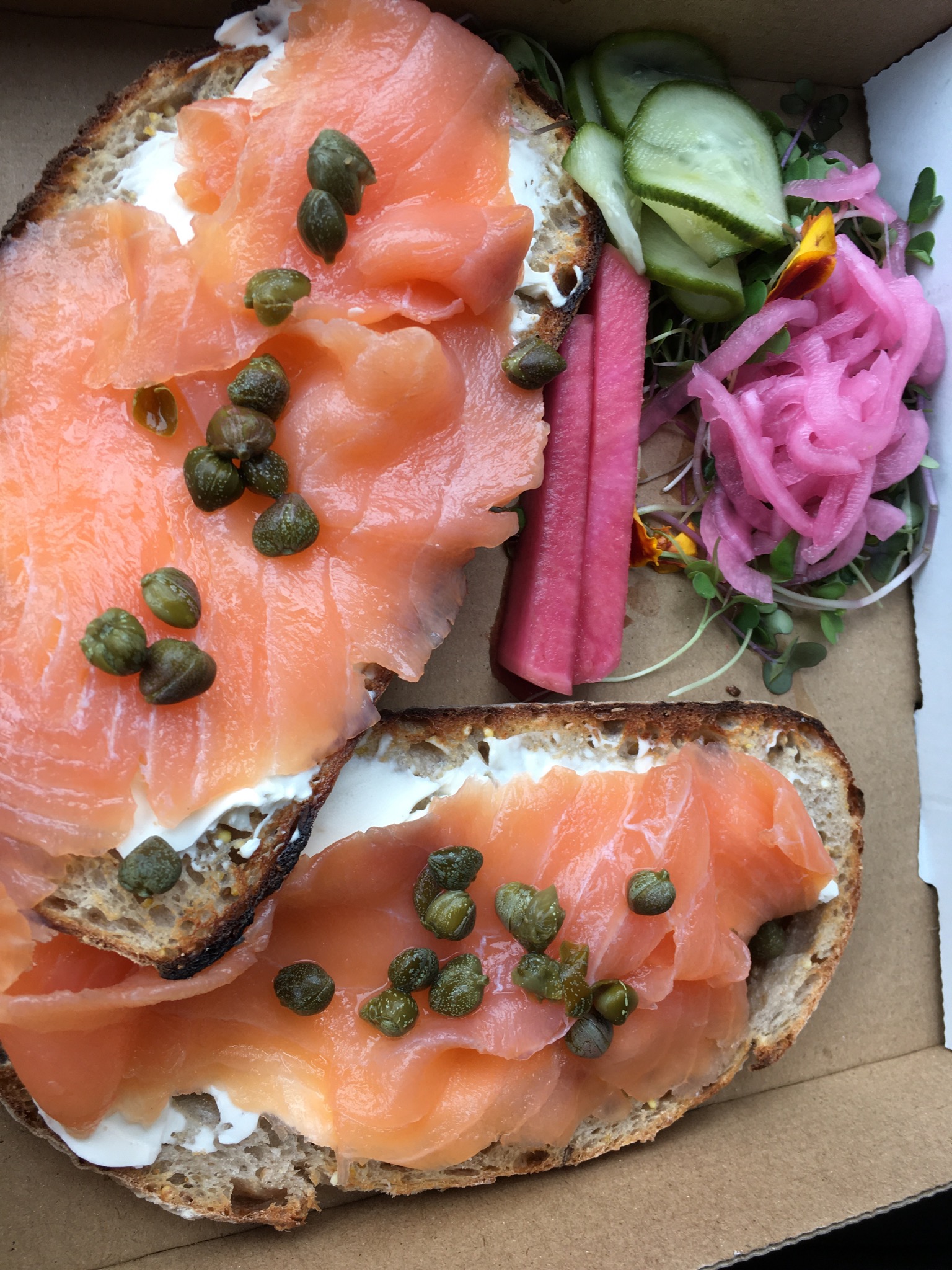
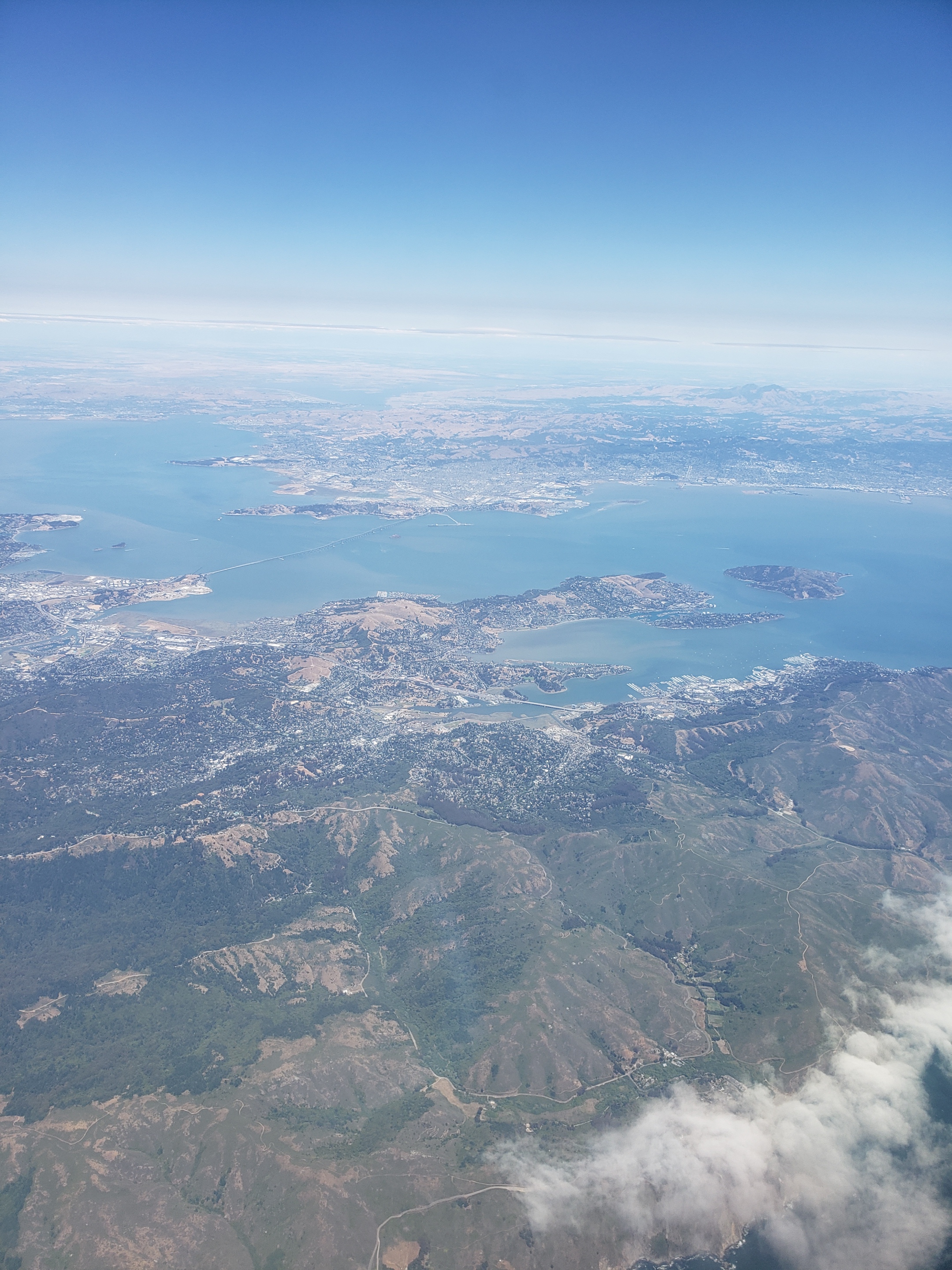
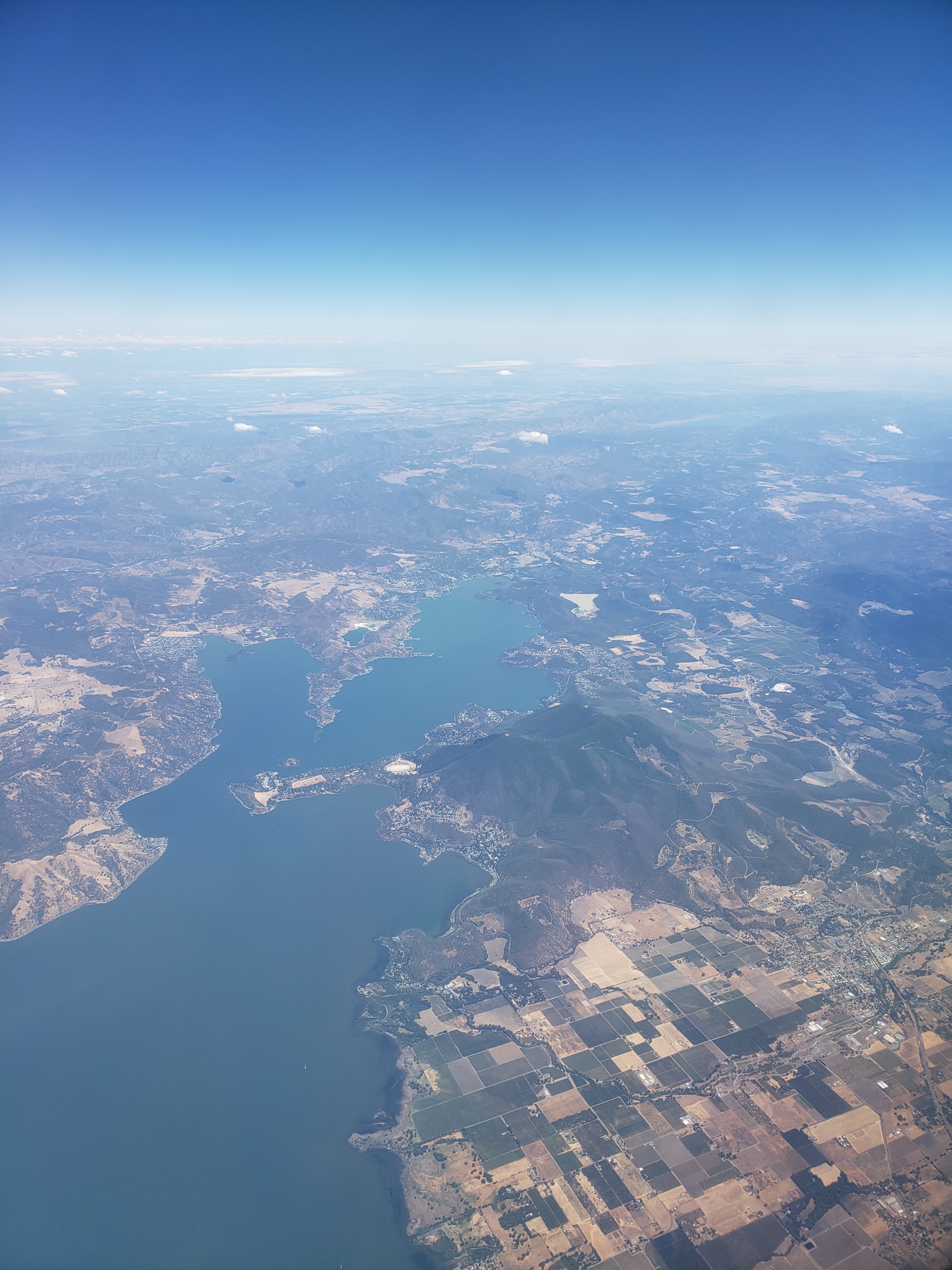
My 1.5 hour flight from Eugene, OR, to San Francisco was scheduled for the morning, but a serendipitous 3-hour delay allowed me to enjoy a salmon & lox toast breakfast from a local restaurant called Lovely! After checking my bags (NSLI-Y covered 1 checked bag for the domestic flight), bidding my parents farewell, and going through security, I enjoyed a smooth flight spent marveling at the scenery from my window seat. The only hiccup was dropping my water bottle on some poor fellow while putting my backpack in the stowaway. 😅 Here are my takeaways from the domestic flight:
- At least for United flights, if you sit in the frontmost row of the plane and don’t have a seat in front of you, you have to put your backpack (or other item you plan to keep by your feet) in the stowaway like a carryon.
- Be careful putting items in the overhead! Make sure all unsealed pockets, such as the water bottle pockets on the sides of backpacks, are empty so no loose items can slip out.
- Store your passport, wallet, cell phone, and other most valuable belongings in a small purse/fanny pack/other wearable bag on the front of your body. I’d exclusively worn backpacks prior to this trip, but it was SO much easier accessing all these frequently used valuables from a purse. Purses also make it easier for you to check that your most important items are all there and harder for people to steal those items.
PDO in San Francisco
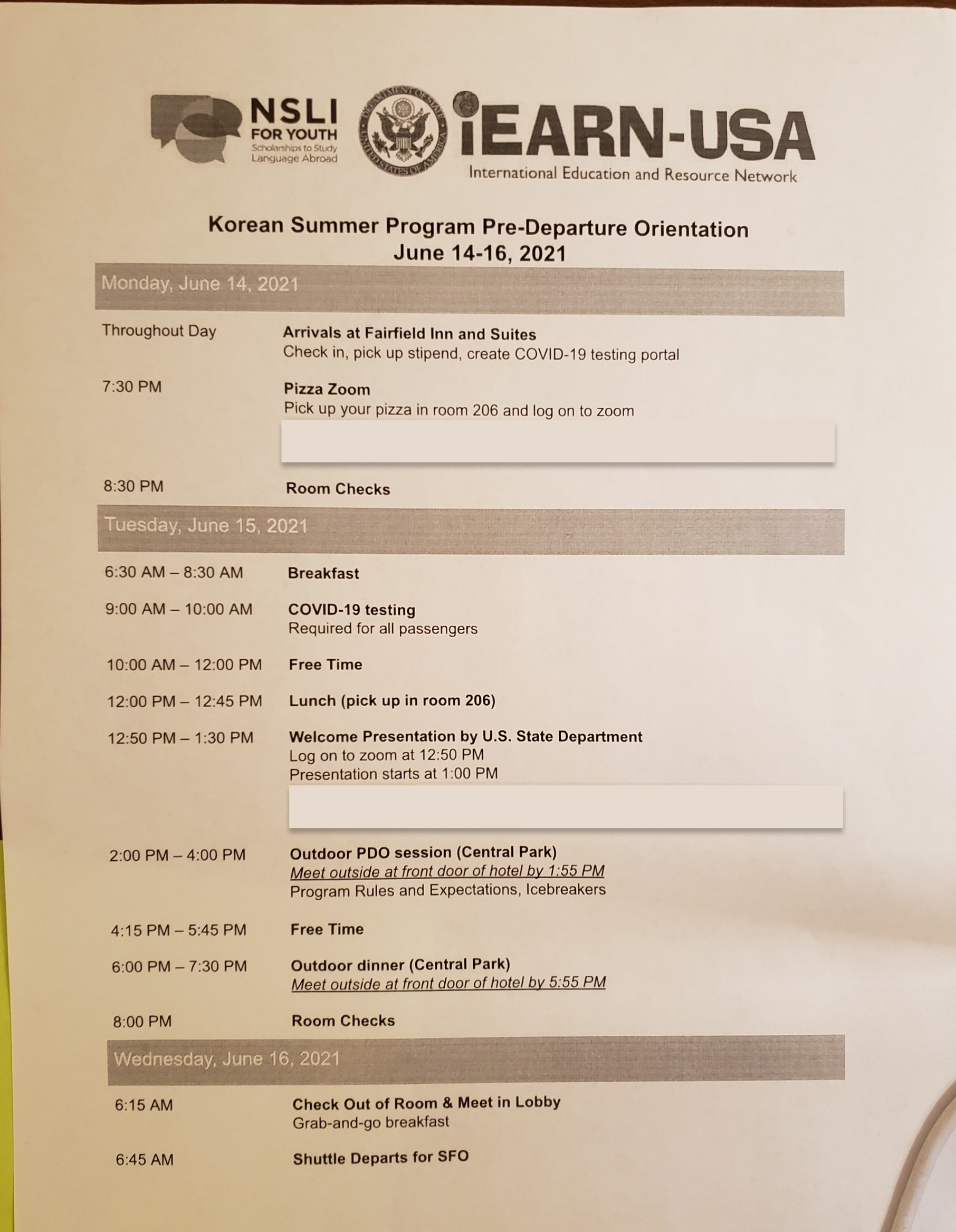
PDO is a short multi-day session where our cohort gets to know each other, learn basic language phrases, and establish goals for the program. Because our cohort had 4 multi-hour virtual PDO sessions prior to our in-person PDO, we came into our COVID-modified in-person PDO having already covered program rules, safety, and behavioral expectations.
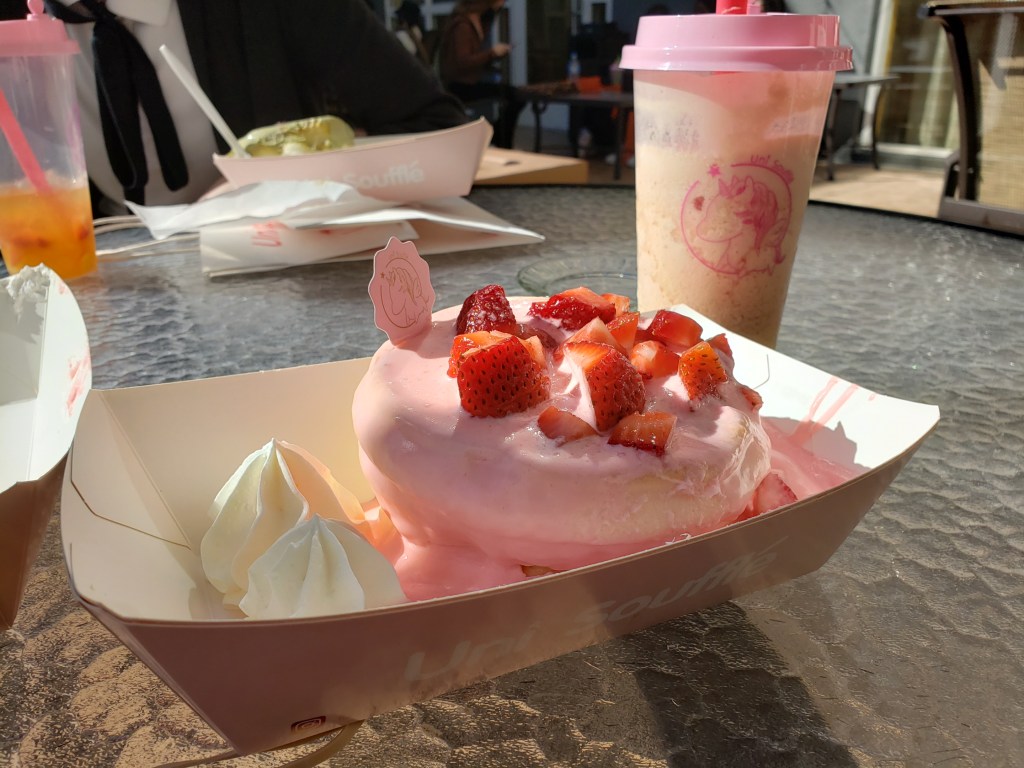
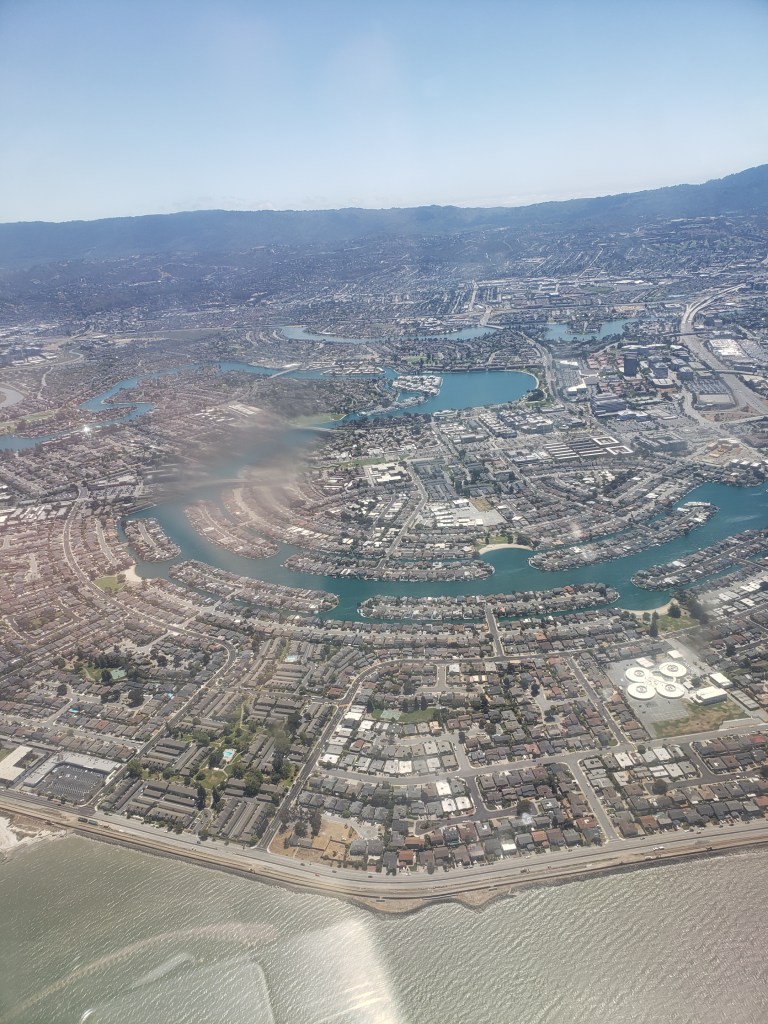
Due to COVID-19, the organized activities we did have occurred either outdoors or via Zoom from our hotel rooms. (A picture of our detailed schedule is above!) This left us with lots of free time to walk around and explore the area independently. The smaller city near San Francisco where we stayed had a lovely central park and community garden, as well as many cute restaurants and boba places like Uni Souffle!
In terms of the travel and transportation experience, the Better World staff greeted me upon my arrival at San Francisco at the baggage claim. (Better World is the implementing organization in Korea that organizes our classes and cultural activities in Korea, while iEARN-USA is the implementing organization in the U.S. that organizes PDO, our flights, and other domestic activities.)
We rode in a shuttle bus for NSLI-Y students to the hotel from SFO, and again in a shuttle from the hotel to SFO when we departed to Korea. Talking with my awesome NSLI-Y seatmates and taking intermittent stretch breaks (that definitely did not become indoor gatherings 😉) helped make the 12-hour flight quite fun and not at all painful.
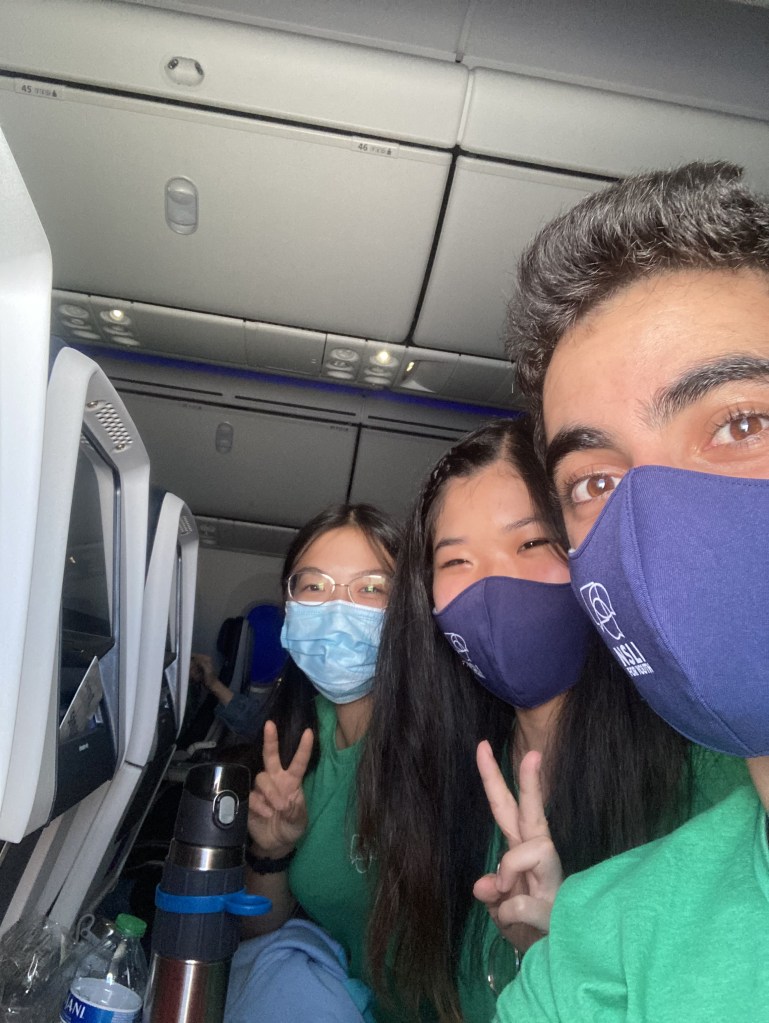
Here are my takeaways from the international flight:
- If you can, sit next to interesting people whom you can talk to for hours! (:
- Checking in 2 bags is free for United international flights, and doing so is a good idea because it reduces the number of items you need to worry about on the airplane.
- Especially if you have difficulty stomaching airplane food, consider eating something palatable from the airplane prior to departure. My tonkatsu from the airport saved me 🍲
Getting to travel across the world and meet 35 incredible human beings from across the country in-person was pretty euphoric. After a year and a half of the pandemic’s social restrictions, I couldn’t have been more grateful to meet so many new friends and visit so many places in such a short period of time — all without the fear of getting COVID since we all tested negative and were almost all fully vaccinated!
NSLI-Y Goals
Lastly, because a major component of PDO is about setting expectations for our NSLI-Y experience, I wanted to share the goals I plan to work towards throughout this summer!
1. Korean Language:
- During NSLI-Y, have at least 1 no-English day per week
- Reach intermediate level (ideally intermediate-mid or above) on post-program OPI
- Be able to hold an substantive conversation for at least 20 minutes
- Begin being able to discuss abstract topics and opinions
- Write a blog post entirely in Korean
2. Host Family:
- Proactively reach out to make meaningful connections with all members of host family
- Learn to cook at least 1 Korean dish with my family
- Connect my home family with my host family at least once via call and use translation skills to facilitate a conversation
- Become best friends with my host 남동생 and improve my skills with kids
- Perform flute at least once for my host family
- Discover what things connect us across linguistic and cultural barriers
3. Culture:
- Learn strategies for cultivating meaningful cultural exchange, friendship, and understanding in my community (especially through The World in Us’s programs happening this summer and beyond!)
- Learn to cook at least 3 Korean meals
- See firsthand whether all the fascinating facets and dichotomies I’ve observed about Korea from an outsider perspective through media are actually true IRL
- Learn the policies behind Korea’s rapid industrialization & behind what makes modern Seoul so pretty/perfect/shiny to outsiders, as well as the reality of struggles + social pressures everyday Koreans face
- Learn how globalization affects and is perceived by Koreans
- Learn how America is perceived by Koreans and how that perception can be improved
- Learn how Korea’s presidential primaries + campaign processes work and are perceived by everyday Koreans, as well as how these processes compare to those in America
- Understand the broad points of Korea’s political structure and history (especially from the 1900s onward)
- Be able to facilitate meaningful conversations and lessons about Korean culture + my broader study abroad experience with peers/mentors/kids at home
4. Bucket List (things to do before leaving)
- Eat LOTS of Korean food
- Visit cute cafes and become regulars at one where we can be buddies with the baristas💖
- Read (and comprehend) children’s books at the library
- Visit the DMZ, Coex Library, 경복궁, Lotte World, Han River, & Namsan Tower
- Go shopping/eating in Myeongdong & Hongdae
- Go hiking and visit parks
- Experience the city + take walks + gain creative inspiration for writing
With that, those are my goals for NSLI-Y and my experience with PDO and travel! 다음에 봐요!
오늘의 노래 (Song of the Day)
(오늘은 너무 피곤하고 바빠서 한국어 부품 없어요. ㅜㅜ 근데 매일 한국어 수업에서 열심히공부하고 연습하고 있어요!)
shoutout to co-author Javon 😉
 The Caroline Times